Supporting someone in distress with Janet Sandberg
Janet Sandberg and Kandiee Campbell discuss suicidal thoughts and supporting someone who is struggling. The conversation explores listening and making space for difficult experiences. It includes discussion of suicide.
Listen
Awaken Hope with Janet Sandberg
May 4, 2024 · 59:55
Read draft transcript
Automatic transcript with light edits to names and spacing. Some words may be wrong, and speakers are not labeled. Breaks and sponsor messages are included. Check the recording before quoting a passage.
0:00 Are you tired of feeling hopeless, or do you feel as though you carry around an invisible ball and chain? If so, you are in the right place. It's time now for Awaken Hope with Kandiee Campbell. Kandiee is a therapist and grief counselor that works with women to help them process and heal from emotional events that can keep them feeling stuck. Let's take this journey together. And now, here's your host, Kandiee Campbell. Hello, hello, hello. Welcome back to Awaken Hope. I am so super grateful that you are here. Today I have the privilege of having a wonderful guest, but before I get into the introduction of our wonderful guest, I do have one housekeeping thing.
0:47 Any of you who have been listening to me for some time now that I'm coming to you from the beautiful state of Hawaii, that being said, you may or may not hear a plane or jet flyover. That is because I'm underneath the flight line to the Honolulu Airport. I'm also located near a fire station, so it is possible, but not always, not always, you may hear a siren. So if that occurs, we will take a momentary pause because we cannot compete with those sounds. Trust me. It doesn't work. So let me get into the introduction of our wonderful guest. Today I have with me Janet Sandberg.
1:31 She is a Reiki master teacher, an intuitive life coach, and a podcast host. Welcome Janet. Thank you so much for coming and being a guest on my show. Well, thanks for having me. I'm excited to be here. So what would you like our listeners to know today? So much. I mean, the grand umbrella is basically the name of your show, Awaken Hope, that there is always hope. I have lived, you know, a thousand lives in this one. I've been through more than most people would normally deal with in the first, you know, 50 years of their lives, and I'm still going. And it's my mission now to also bring hope to others through my podcast, through my work, help others heal, help them do it more easily and more quickly than I did.
2:50 The internet has been, for all of the terrible things that come with the internet and social media, it has really opened up access to so many things. And for those of us who were around in the pre-internet days and remember how hard it was to find people and information and, you know, the fact that I can reach people across the world that I don't even know and potentially inspire them is just mind blowing. I totally understand that, because I remember when, you know, you used to have to, if you needed information on something, either you went to the Yellow Pages, the big book, and you hoped that it was in there, or you called information and hoped they had some information on it.
3:49 So it was like, you know, we didn't have the ability to just type in a keyword and have it populate. Yeah, and you had to hope that your local library maybe had a book on something, or, you know. Yep, yep, yep. Yep. I completely resonate with you when you were talking about, you know, your 50 years of life. I understand that totally, because I too have had my own challenges in this lifetime, you know. But I also look at it, and I guess part of, and I don't know for you, but for me, part of where The Awaken Hope comes from is to encourage people that no matter what you go through, no matter where you are, you can always hold on to something that will swing you from where you are now to that very next moment.
4:51 Yes. Yes. Yes. Yeah. Like the first, I'll say the first 25 years of my life were pretty idyllic, you know. Or it seemed so from the outside, you know. I grew up in a beautiful little town on Vancouver Island in BC, Canada. So we had oceans and mountains and just cuteness overload, you know. You know, we had the little nuclear family. You know, my parents stayed married for 50 years until my mom passed away. So you know, all of that. And it seemed pretty great, and I did all the things you were supposed to do. I grew up, and I went to university, and I got married.
5:50 And that's kind of when everything started to change. So it turns out, and I didn't find this out for like another 20 years, but when things in my life got really bad and I started trying to figure out why, like everything seemed great as a kid. How did I end up here? How did I end up in this mess of a life? And it turns out, you know, my parents didn't have idyllic upbringings, and they did absolutely the best they could, and they loved us. But they weren't educated. No, they were very loving. They didn't understand emotions. So there just weren't a lot of them growing up.
6:52 And a lot of that was, you know, your Anglo-Saxon Protestant upbringing that emotions are not to be felt or seen or heard, so I didn't really understand them. And then I married somebody who also didn't understand emotions, and he ended up being emotionally abusive and controlling, and sort of the longer we were married, the more this came about, and he was a workaholic, and the higher he rose at work, the fewer emotions he had. And I kind of became – he started treating me more like somebody who worked for him rather than his wife. Yeah, and there was a lot. It was very subtle. It was hard to see until sort of near the end where I was super depressed and miserable, and my friends started telling me, like, "There's something wrong.
8:19 This is not healthy." One of my friends sent me the links to women's shelters one day, and I was like, "Why? What are you doing?" She's like, "You are not in a healthy relationship like you were," and I knew he would never physically hurt me, so I was like, "Ah, unnecessary," you know, not realizing the damage that was happening. Well, emotional abuse can be almost more devastating than physical, not that I would encourage anything with physical abuse, because that hurts too, but the emotional abuse leaves scars. They're hidden from the public. You live with those, but you may not see them like you see a physical effect, physical abuse, but that emotional abuse, that wreaks havoc left and right.
9:21 It does, and you can't see it, so you just think you're crazy, because then when you say, "But you said whatever," they're like, "No, I didn't. I didn't say that. I didn't do that," and you can't prove it, so you're like, "Oh, okay, I guess. I guess it's just me." Anyways, so we did all that. Then as the marriage was declining, there were other issues, so we were living in the US, and neither of us were US citizens, so I couldn't leave the marriage, because then I would have to leave the country, because my visa was dependent upon being married to him, so I was literally trapped.
10:07 So if I left him, I would have to take the kids, and we would have to move, and I didn't want to do that, because the kids were stable, they had a great school, we had a great neighborhood. I didn't want to disrupt their lives, so I stayed in that. At the same time, my sister was diagnosed with cancer, so I was dealing with that. She lived about three hours away from us, the three-hour drive, and then my dad was diagnosed with cancer at the same time. So all at once, I'm in this dying marriage that I'm trapped in, and my only sister, my only sibling, and my dad both have cancer, so I'm driving back and forth to surgeries and trying to do what I can from being not there, but also not super far away, and just trying to do everything, and being a mom, and just regular life stuff.
11:28 It was crazy, but when you're in it, you just do the things, and you don't think about them. And then we ended up having to leave the US on very short notice. We were supposed to get green cards through my ex-husband's work, and the woman who was processing them didn't; she just dropped the ball. And then our visas expired, and we had to leave the country, so we had six months to figure out where we were going to move to in a different country, what that was going to look like. My ex-husband had to find a job somewhere within the—he was part of an international corporation, but he had to find a position open somewhere to go to, and all of this happened very quickly.
12:25 And he ended up moving to Mexico, and the kids and I moved to Canada, which is where I'm from. So the kids had never lived in Canada. They were like, "We want to live in Canada. We want to live closer to our cousins and our grandparents, and do all of that." And we, kind of at the time, pretended like that was going to be just a temporary situation. It's just for now until we get things sorted, because everything had—these decisions were being made totally last-minute for like, "Let's just move," and then the kids—it was two hours away from where we had been living. We could still come back.
13:06 They could see their friends. It wasn't going to be as big of a deal for them, and their dad would, you know, come and visit every so often, and we're like, "That's fine." And then, of course, we all realized that this was so much better, so much better. And then without him there, I sort of realized what I had been living with and going through in the marriage. Yeah, and then my sister passed away. Oh, I'm sorry. Thanks. So still, you know, dealing with separating from the ex-husband, realizing the extent of what I had been living with, and then being a single mom 24/7 all the time, because their dad lives in another country, he can't help and just wouldn't, you know, and then my sister passed away.
14:10 So then dealing with that without any support, really, or help or anything. So that was pretty terrible. My dad luckily made it through his bout of cancer for a while, and then a couple years later, he got cancer again, a different kind. So we're back into surgeries and treatments and all of that kind of stuff, which he made it through, thankfully, and he's still kicking today. And then sort of we had, no, we didn't, I was gonna say we had a bit of calm. No, we didn't. Because then my mom was diagnosed with dementia. Oh, dear. Okay. So you've had about, so we're gonna get back into this story.
15:12 We're gonna take a short break, ladies and gentlemen, and then we're going to continue with this, as you know, Janet has experienced a lot. And I want you to know this, no matter what you're going through, you hang on to that hope because that is what's going to get you to that next moment in time, whatever that is. So stay tuned. We'll be back. And we're going to continue with Janet. It's interesting and beautiful story. Hello. Hello. Hello. Hello. Hello. It's Kandiee Campbell from The Awaken Hope Radio Show, and I've got something special for you. As a licensed therapist who focuses on [therapy term unclear], I've teamed up with a writing coach to bring you a series of journals to help you process your feelings and emotions, hopefully gaining clarity and understanding along the way.
16:09 If you're ready to embark on a journey of healing, then I've got just the right thing for you, the Hope and Healing 90-Day Journal. Imagine, if you will, having your own compassionate companion guiding you through the ups and downs, twists and turns of life. That's what our journals are all about. Each page offers you prompts and nurturing guidance to help you reflect, explore, and grow. Whether you're facing grief, heartache, or just need a little extra sports, the Hope and Healing 90-Day Journal is your safe space to let it all out and find your way back to hope. Thank you so much for tuning in and listening.
17:01 I am so grateful, and I want to remind you that no matter how dark it may seem, there's always hope, so take the first step and let's link and hope together. Head over to the journalingcollective.com to get your journal now. This will change your life. Thank you. Welcome back to Awaken Hope. I have the privilege of having Janet Sandberg. If you are just now tuning in, she is talking about holding on to hope. She aligns with the name of my show, Awaken Hope, and she is using her story to describe to those nurse, to you ladies and gentlemen, how to hold on to hope and what her journey was growing up, you know, growing up, being married, because we all have life.
18:06 Understanding when I say that, life happens to all of us, none of us, no matter who we are, are immune from life happening, but it boils down to what do you do with that when life happens? Do you let it take you down, or do you hold on to some small liver lining, even a silver lining? It doesn't matter. You hold on to something that's going to swing you from where you are to the next moment in time. All right, Janet, there's some more. We were talking over the break. She has experienced a lot, and, you know, that emotional abuse that you went through with your ex-husband, that had to have had a great impact on both you and your children.
18:59 Yeah, it did. The kids were, I think, 10 and 12 when we separated. And now that they're older, they're 22 and 24 now, and they're growing up, they're looking back on things with different lenses, and they're able to identify, "Oh, yeah, remember when I felt this way," you know, and they're understanding how that all impacted them in different ways as well. And luckily, we're able to talk about that. You know, I could never talk to my parents about my feelings and how I felt and mental health, and it was different times too, mental health wasn't really a thing unless, you know, you were... It was a stigma, a really big stigma with mental health.
19:55 Yeah, but unless it was really serious, like uncontrolled schizophrenia or, you know, something like that, it just didn't really exist for most people. So I was never able to talk to my parents, so I'm really glad that my kids can talk to me about how they're feeling and what they're experiencing and, you know, just explore what may or may not be mental health related, just life related. So yeah, when we left off before the break, my sister had passed away, my dad had been through two kinds of cancer, and now my mom had dementia. And that was really hard. She had dementia for about five years before she passed away, and in a weird kind of way, it was interesting to compare, you know, my sister who had cancer, and she declined slowly as you do with cancer, you get worse and worse and worse, but it's all physical.
21:08 And she was still there through the whole thing, you know, even up until the end, I'm still talking to her, still my sister, we're still having the same conversations we used to have and everything, but with dementia, as the disease progresses, you lose your person. Their body is still there, but they're not, it's the total opposite. And you know, I, especially the last like year or two, I just, I would grieve my mom every time that I talked to her, every time that I saw her, you go through another grieving process as you lose them. And you're like, oh, I wish I could ask my mom such and such, like she's still here, she's still alive, but you can't ask her because she's not going to know the answer, or, you know, she's, she can't talk anymore, or, you know, it's just, it's, it's devastating.
22:07 And it attacks different ways. You know, I mean, my father, he had dementia, and he had about a 30 second recall towards the end, we'd be having a conversation and then go, you know, I'd say, Oh, something I'd say, dad, you know, be talking about something, he'd say, Oh, you should meet my daughter, she's, she's coming to see me, and I was like, well, I really wasn't, but, you know, in his mind, I was, and he'd be talking away, and he like talking to me as if I was a stranger, his daughter, and then all of a sudden, you know, and then he'd go into, who are you?
22:43 And I was like, dad, it's your daughter, Kandiee, it's like, oh, yeah, I have a daughter, and you should really meet her, and it was so it was like, being on a constant loop. That was the same conversation we'd have. And then he'd be he'd go into something that happened, you know, when I was a kid, yeah, when he was younger, and before I was born, he was the path to could recall, but was very short lived. And yeah, it's really sad to when you have a family member, a loved one, a parent, that you know, they're physically there. I mean, but emotionally, they're in their own world.
23:33 Yeah, yeah. And so, and then things sort of, you know, it's, it's so hard to imagine, I remember sitting down with my dad, and we were looking at, at care homes, you know, my mom would eventually need one, you know, is now the right time, it's hard to imagine when they're going to need round the clock care. And we we put her on some waiting lists, and, and then all of a sudden, you know, it was crisis time, and she needed to be moved immediately into into care. And she was moved into a home in January of 2020. Pandemic hit in March of 2020. And I wasn't allowed to see her anymore.
24:27 Because only my dad was the only one allowed into the building, and even he was only allowed in once a week for an hour or something. But I wasn't allowed to see her anymore. She tried to do zoom calls, but it just it didn't work because of her, her mental state. She hated technology when she was a normal person before the disease hit. So her trying to zoom with dementia was was not really a thing that worked well. And that's hard to know that you've got a parent who is in the hot in a care unit, you know, a memory care unit, and you cannot see them.
25:18 I mean, Yeah, because just seeing my face on a screen, yeah. She wasn't able to connect to me to who I was. And though she heard my voice, it, you know, she just didn't have the capacity to do that. And then she passed away at the end of 2020. So I hadn't seen her in almost a year in real life before she passed, which was terrible in and of it of itself. And by that point, we were deep into the pandemic, so, you know, funerals were limited, immediate family only. So we didn't have that support that you need to have. Like that's why we have funerals is is to support the grieving family, right?
26:17 And we didn't have that. And also I was in a long distance relationship with an American at the time. And the border was closed. So he and I couldn't see each other. Wow. So yeah, I hadn't seen him in the better part of a year and then my mom died and I couldn't, he couldn't come to support. So yeah, it was all just terrible. So by the time we were in to 2021, you know, I finally got a reprieve after my mom died. You know, nobody had cancer, nobody had dementia. I wasn't in an abusive relationship anymore. I finally had calm for the first time in like 15 years, there was nothing happening and really nothing happening because we're in the middle of a pandemic.
27:19 So there was nothing and that's when everything hit me. I had been slowly, you know, since leaving the marriage, I had been slowly trying to heal from that and really understanding the damage that I had endured and trying to heal from that and everything, but yeah, it was just, it was just bad. You know, my depression was at an all time low, I guess. I was having panic attacks and anxiety and I was suicidal. I was just like, I can't, I can't live like this anymore. And it's not like I wanted to die, I didn't. I just didn't want to be living this life anymore.
28:10 It was too hard. We wanted the pain to stop usually when people are experiencing suicidal ideations, the majority of them, they're just wanting the pain to stop. Exactly. It needs to come to a close of whatever they're going through because that is too powerful and that's too strong. Yeah. I just, I had lived through too much pain and it was too hard. It was too hard to keep going. I had my kids, that was the only thing that kept me going was my kids because their dad lived in another country and basically had stopped being a parent to them. Like I was, I was it for them.
28:50 So I'm like, I can't leave them with nobody. So yeah, and it was just, and that was it. I had given up hope. I had no hope. I'm like, I've been through this and then this and then this and then this and everything. All these traumas were just stacked on top of each other for over a decade. And I was just like, that's it. I have no hope that anything is ever going to be any different. Looking at your very daunting situation, all that you went through, the emotional abuse, having to relocate back to Canada in a moment's notice, going through the pandemic, losing your mom to dementia during a time where you could not see her.
29:44 Your father was only really the one that could see her for a limited period of time. Having lost her sister prior to the pandemic, what if I may ask you, what did you do that got you? When you held onto your kids, they helped. Brushwood Media Network. But what else? What was inside of you or what did you feel that besides your children that said, I have to keep on going? So I'm, as you said, I'm a Reiki master teacher, I'm an intuitive, I'm an empath, I'm all the things wooey and energetic. And I think that was it. I think it's because I experienced the world differently, like I experienced the world on an energetic level.
30:47 And I knew that I had to do something with those gifts. Like I wouldn't be one of the rare few people to have these gifts, know about them and, and be able to use them as well as I do for no reason. And that was a lot of it that kept me going. And it was like, I am here to help people. And I have been put through these trials and tribulations so that I can really have compassion and empathy and understanding for other people who are going through terrible things. I just happened to have been put through all the terrible things in one lifetime.
31:41 Oh yeah. I think it took me a long time and there are times when I was like, I don't care. Like that's, you know, you experienced these things for lessons and I'm like, I don't want to hear that. That's my, yeah, make it stop. I've learned enough already. Thank you very much. No, I totally can resonate with that because you don't really see it until you're through it. Right. But when you're going through that pain and it's hurting and it's pulling everything you have at that moment, you're just like, I don't have any more to give. And you know, people would say to me when I was going through my own challenges, I've got to only give you what you can handle.
32:28 And I look would look at him like, I don't handle this anymore. I don't choose to handle this anymore. I can't. But just at times it felt like salt being poured into a womb because you're just kind of going, why am I going through this? But you're right. You know, I mean, looking at it now, and we still have challenges, but looking at it now, I see had I not gone through what I went through, I would not be who I am today. And when someone comes to me and they say, oh, I'm experiencing grief, I know now my grief may be different in the sense of what I experienced or went through, but I understand where they are in that process and what they need to do in order to get to the other side.
33:25 Because if you have not gone through something challenging, you don't fully understand where someone's at. We can say, oh, I, you know, I'm sorry, where you're at, but it truly does take a whole different picture, cancel a whole different picture if you walk through that type of fire yourself. Yeah. Yeah, absolutely. So yeah, I, so at that point, mid-pandemic, my then boyfriend and I decided we were going to get married because we had no idea how long it would last, what the border situation was going to be. And it was easier for married people. So of course, by the time, you know, everything happened and we got married, the pandemic was mostly over, but that's okay.
34:29 It still got the ball rolling. And so then I had something good happening in my life. And despite how crazy planning a pandemic wedding was, that's also what prompted me to get medicated because the anxiety got so bad because, you know, the rules and the regulations and the lockdowns and everything was coming and going and changing every week and we're trying to make plans and my anxiety just got out of control on top of the depression that obviously I was feeling because I was questioning my permanence in this life. And you don't do that if you're not depressed. So I had to really understand and be like, "This is bad.
35:24 This is not how healthy people feel." So I got on some medication to help me through that and it literally changed my life. I was like, "Oh, oh, oh, yeah, that was really bad." Once I started feeling better and looking back, I was like, "Oh my gosh, why did you let yourself, you know, get to that point, but, you know, you can't change the past?" And I just was like, "Yeah, it's bad, but I'll get better. It'll be fine." But sometimes you just need, you need some help, whether it's medication or therapy or whatever it is for you, you just sometimes need something to kind of kickstart it, kickstart a change.
36:22 Well, you had been experiencing so much of the trauma, the hurt. It was compounding one layer after another and sometimes the, whether it be therapy or the medication, it just gives you a little bit of respite to kind of start sorting through those things. Because if you, it doesn't mean you have to be on those forever. It just means you need a little assistance, someone to hold your hand and say, "You got this. You're going to be okay." You just need a little bit of support to get you to the other side. Wow. Okay. Yeah. So we're going to take a short break. We're going to come back and talk more about Janet's journey to healing to where she is today, because has she not gone through what she went through?
37:17 We know she would not be who she is today. So stay tuned. We'll be back. Well, hey there. My name is Michelle Sarro. I am co-founder of the podcast Accelerator and host of Fire and Soul, a top 1% podcast in self-development worldwide. And if Start a Podcast is on your bucket list, but you haven't because it's overwhelming and downright intimidating, I've got a special gift for you. I'm offering up a free bootcamp called The Answer to Podcast Procrastination along with my co-founder, Ms. Ginny. We're going to help you make the four foundational decisions to jumpstart your podcast idea, including the name of your show, description, format, and year list, so that you know exactly what you need to record on a budget that works for you.
38:00 You're going to walk away with podcast clarity, know exactly how to magnetize your audience and dream guests, and be ready to step into the sound like with confidence and ease. If this intrigues you, then come on over and sign up and join us at thepodcastaccelerator.com /bootcamp. See you there. Welcome back to Awaken Hope. Ladies and gentlemen, I have the privilege of having Janet Sandberg, and we were talking over the break about how trauma builds upon trauma, and sometimes you just need a little bit of help. She talked about how she had to get on a medication, and that's okay. I know there's a stigma to that, and people say, "I don't want to be on medication.
38:46 I don't want to." That's bad. That's bad, but I will tell you this. Sometimes you need that little bit of boost. It doesn't mean you're going to be on it for the rest of your life. It just means, "I need a little bit of assistance." Sometimes you may need therapy. Sometimes you need someone to guide you, like Janet does with her intuitive life coaching. So Janet, how can someone work with you if they decide, "Oh my gosh, I resonate with this so much, and I would love to know more." How can they get connected with you? Will you please share? Sure. The best place is probably my website, which is just my name, janetsandberg.com.
39:34 I've tried to make things as simple as possible, and I'm on Instagram and Facebook as well. You can find me there too if you just Google my name. I decided to help people who had been through all the terrible things and hit rock bottom to get back out. It's interesting because I have a podcast, which we'll talk about in a bit, but everybody just needs a little something different. We're all unique individuals, and there's no cookie cutter to rebuilding yourself and putting your life back together. That's how I do business too. I create unique individual programs for people. No two people get exactly the same experience with me, combinations of life coaching and energy healing and readings, and it's what you need at the time that we're working together because it's not going to look the same for everybody.
41:00 Well, ladies and gentlemen, I do encourage you, if you're intrigued, want to know, want to, you're in a place in your life where you need this, reach out to Janet because like I said, it's always good to have someone that is kind of there in your corner holding space for you, even possibly holding your hand through getting through a journey. Having done Reiki, if you're not familiar with Reiki, it's an energetic healing that you do. I'll let Janet explain more about Reiki, but Reiki does help heal as it can really transform your life. There's all types of tools that you can tap into, and sometimes you just need someone that can see that blind spot that you don't see, that can say, consider this.
42:03 Don't forget you have, this is something that's affecting you or something that you may need to be aware of. Yeah, and for me, the worse my human life got, the better my spiritual life got, and spiritual in the sense of energy and the universe and all of that. Because I had to let go of all of this pain and suffering, and I sank myself more into practicing and teaching and learning more about who I was on an energetic level that really helped me. And that's why I use those same things to help others. Would you explain to the listeners, for those that are not familiar with what Reiki is, how it works, and what all is somewhat involved?
43:15 Sure. So Reiki is a Japanese word. It's actually a compound word for rei and ki. So rei means, well, they both mean energy. Rei means universal energy. So that's the big energy that's out there. What makes the wind blow and the trees grow and the sunshine and all of that kind of stuff. And then ki is the same word as chi, like in tai chi, which is our personal energy. That's the energy that's inside of us that makes us tick, makes us go. And a Reiki practitioner is somebody who has been trained to use the big universal energy, which is unlimited, to affect and change our personal energy.
44:06 So when we've gone through trauma or sickness or whatever, our personal energy gets messed up. So a Reiki practitioner helps to get that energy flowing and moving more easily the way that it should. And when our energy is working properly, then we feel good physically, emotionally, mentally, spiritually, on all the levels. Everything works together, you know, the whole body, mind, and spirit, like that's for real. We can't have just one. And so yeah, Reiki can help us feel better physically, mentally, emotionally, spiritually, no matter what's wrong with you, Reiki can help is what I always say. And it will feel different too. Different Reiki practitioners have their own energy that comes into it.
45:12 So if you've tried Reiki before and you're like, oh, I didn't like it, go try it with somebody else because it's always a little bit different. And I like to say that, you know, Reiki is kind of like chocolate chip cookies. There are hundreds if not thousands of different recipes for chocolate chip cookies. They're all going to produce a chocolate chip cookie, but they're all going to taste a little bit differently. Some will be crunchier, some will be softer, some will be gooey or, you know, they all come out a little bit differently or even the same recipe, but baked by different people because of where they live in the world, the recipe is going to turn out a little bit differently.
45:57 And that's how it is with Reiki too. It's the same general process and the same general idea, but it's going to feel a little bit different depending on who you worked with and who they learned from and how they practice. So just, yeah, keep trying, find somebody that you really click with. And that makes sense, I mean, that does when you were talking about, you know, cooking chocolate chip cookies, I like to cook chocolate chip cookies and I can cook it one week one way and the same week or another week the same way. And the cookies come out completely different and I'm like, okay, we're needing to tweak this recipe.
46:40 You know, I need to add a little more flour, a little less butter. And I'm just like, is it sunny on the day you're baking them or is it rainy on the day you're baking them? Like, that's going to make them turn out differently. Yeah, no, Reiki is definitely, that's a, I highly recommend that. And you know, now people can work with you through Zoom, I'm guessing, if they're not in your business presence. Yep, everything is, all of my work is online. So energy transcends time and space. So it doesn't matter where you are in the world, we can still work together. And it's pretty cool.
47:25 And now we have this technology that allows us to see each other when we're working together across time and space. So it's pretty cool. So after you lost your mother and you'd lost your sister, and you got remarried, what happened after that, as far as like your journey that brought you to where you are today? That was kind of the turning point, the getting married. Then, of course, we still had to go through like two years of immigration, which was a whole other thing. But that's what happens when you marry somebody who lives in a different country and you want to go live in that country.
48:17 So it was just a long, frustrating process that was made longer and more frustrating because of the pandemic. Like everything, post COVID just takes longer and is more convoluted than it was before for whatever reason. Of course it is. Of course. Yeah. And so I just focused, started focusing more on the good things that were happening. And so I'm like, I have this new life that's coming. And yes, it was frustrating having to wait. I kind of felt like my life was on hold and I had no control over that, which brought me back. There was a lot of PTSD from the emotional abusive relationship where I didn't have control over a lot of things and just, and my family's illnesses, you know, I spent a long time not having control over my life.
49:18 But I focused, I learned to focus more on what I do have control of and how I can affect my own life and how I can, yeah, bring hope and light to other people. And that kind of became my goal was just how, how can I, how can I help? How can I be of service? I get that. Yeah, and then the final culmination of the being in service outside of my business was my podcast, which I started last year. It's called Phoenix Wisdom. Ooh. Rising from my ashes type. Yes. So we had a family friend who died by suicide and she was 23. Her younger brother and my son had been best friends in middle school.
50:28 So I knew the whole family, but not like super well, but you know, from the outside, this girl was, you know, drop dead gorgeous, incredibly smart, you know, seemed to have, have it all. And then what we, what we didn't know was that that was the outside and there was a lot of inner turmoil that she was going through and, and the turmoil one. And it just, you know, it affected my kids, obviously it was like their friend. It was somebody their age, the first person that they had known really to, to die by suicide. And I really struggled with it. I mean, she's the same age as my kids, you know?
51:23 And I'm like, if I had known having been through so much of that and those feelings and struggled for so many years, for so long, I was like, if I had known what she was going through, I could have talked to her. She could have had at least one person who came to her and said, I know what you're going through, but it gets better. And I never had that chance because nobody talks about suicidal ideation. Nobody talks about the struggle when it gets that dark. And when you're in it, it's also really hard to talk about it because you don't want to burden people.
52:03 You don't want to bring anybody down to your level. You know, you have all of these reasons and nevermind society saying we're not allowed to talk about it. So I started my podcast and I have guests on who have survived suicidal ideation. At some point in their life, they felt like they wanted to end it, but they stuck it out and they're here and they're thriving and they're doing amazing things. And so people who are in the darkness, in those terrible rock bottom moments, can at the very least, if they can't talk to anybody around them, they can hear inspiring stories. They can hear the stories of people who have been there and survived and been through it and hopefully keep them going for one more day.
52:59 And that's when you're down there, that's all you need is one more day. One more day to have something change and get that glimmer of hope that will keep you going and keep you looking for more. Okay, ladies and gentlemen, yes, this is a very heavy subject. I'm going to take a short break, kind of regroup, but stay tuned. We're going to talk about suicidal ideations. I'm very familiar with that, but we'll kind of talk about what those are and how to hold on to that hope, because you do, you need that one more day and that's all you can hold on to. So we'll be right back.
53:47 Hey, son, how are you feeling? I'm fine, pops. What's on your mind? I just, I can't explain it. Now I get dizzy. I got accomplished. I was waiting. I started to wonder. My mom says the noise of who you talk to is. When your kid can't find the language, help them find the lyrics. Welcome back to Awaken Hope. We have been talking about suicidal ideation because Janet has the podcast that she started as a result of losing a friend's daughter to suicide. Now I do want to put this out. If any of you are experiencing anything, you're struggling from that moment to just hold on to a glimmer of hope.
54:53 I encourage you seek some help. Reach out. You can reach out to Janet. You can reach out to me. It does not matter. Reach out and just say, I need help. Don't try to muscle through this by yourself because sometimes you need someone that can lift you up and give you that strength to keep on going, to swing from here to the very next minute. It may be very much minute by minute, but if you are struggling with this, know this. You do not have to go through this alone and you are not alone. It may feel like it. Janet and I were talking about over the break, I guess it was 2016, something like that.
55:49 I had a friend, we had been teachers together, and that particular year she had lost her fiancee to a heart attack, and I knew she was struggling. I knew she was hurting, but I did not know. She never said anything about wanting to end her life other than she was just really hurting and she really missed him. I hadn't talked to her in a couple of days, so I tried calling her and her son picked up and said, "My mother took her life. She killed herself." It was one of the most devastating moments in my moment in that time because, like you said, if you had known that your friend's daughter was on that brink, maybe you could have given her that string or that glimmer of hope to hold on, to swing minute by minute wherever she is, wherever she was.
56:59 I think about that. It's like with my friend, if I'd have known that she was contemplating not, maybe I could have said something to her or held her hand and said, "You know what? I'm here to support you." Yeah, hope is everything. Hope is the only thing that has the ability to swing that pendulum from darkness to light. It is a life or death emotion, and without it, there's nothing. Even if there's just a little tiny twinkle somewhere that says, "If you have one thing to look forward to, to keep you going, that's all you need." Reach out, ask for help, all you have to say is, "Help me, please."
58:10 You don't have to go into details just that you need help because when you reach that darkness, and I will say darkness because there was a period of time when I remember crying out after I lost my little girl and my dad and my mom. I cried out, I was like, "I just want it to stop." I remember saying, I'm going, "God, just let me go home. Let me take me now." And I heard in the recesses of my mind, "No, you have more things to do." And I remember being mad, thinking, "That's not fair." But it wasn't that I truly wanted to end. I mean, I wasn't thinking of my own kids that were living, the other ones that were living.
59:07 I was wanting to end the pain I was feeling because I had not dealt with the pain enough. One minute at a time, we'll get to the next minute in time. Yeah, there's always hope. And again, thank you ladies and gentlemen for this, for tuning in, and we will talk with you really soon. Thanks for listening to Awaken Hope with Kandiee Campbell. If you find yourself struggling, just know there is help. Please take the first step and contact Kandiee. To learn more, go to [website address unclear]. If you like our show, please tell your friends and family to listen. Join us again next time for Awaken Hope with Kandiee Campbell.
Topics
- suicidal ideation
- mental health support
- community
Listen to Janet and me as we discuss grappling with suicidal ideation and how to help others support people who are struggling.
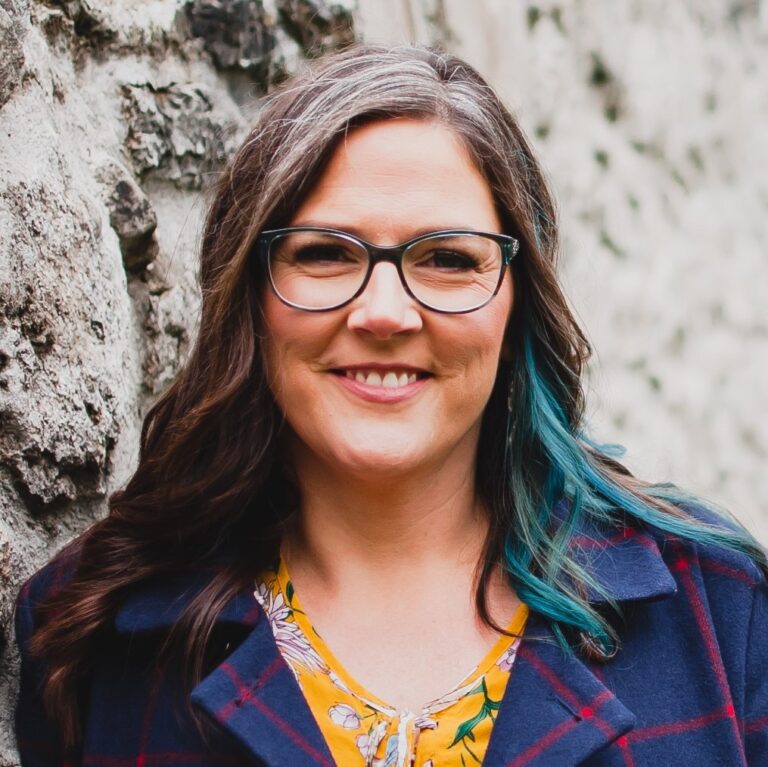
About Janet
Janet Sandberg is recognized as a Soul Interpreter, Divine Channel, and Energy Master. She offers transformative guidance to individuals seeking clarity, confirmation, and confidence. As an Intuitive Life Coach, she empowers her clients to connect with their soul’s wisdom, purpose, and passions. Additionally, she facilitates their journey towards creating the life they desire and deserve.
Alongside her coaching endeavors, Janet is an esteemed author and podcast host. She shares her insights and wisdom with a global audience. Janet inspires others to embark on their own path of self-discovery and growth.
In addition to her work as a spiritual guide, Janet is a passionate advocate for suicide awareness. Through her podcast, Phoenix Wisdom, she provides a platform for individuals who have grappled with suicidal ideation to share their stories of transformation and triumph. By amplifying these narratives, Janet aims to offer hope and support to those who may still be struggling. She fosters a sense of unity and understanding within the community.