Beliefs, fear, and relationships with Shelly Lefkoe
Shelly Lefkoe joins Kandiee Campbell to discuss beliefs and recurring patterns in daily life. They talk about fear, procrastination, and relationships through the lens of Shelly’s work.
Listen
Awaken Hope with Shelly Lefkoe
May 8, 2024 · 60:01
Read draft transcript
Automatic transcript with light edits to names and spacing. Some words may be wrong, and speakers are not labeled. Breaks and sponsor messages are included. Check the recording before quoting a passage.
0:00 Are you tired of feeling hopeless, or do you feel as though you carry around an invisible ball and chain? If so, you are in the right place. It's time now for Awaken Hope with Kandiee Campbell. Kandiee is a therapist and grief counselor that works with women to help them process and heal from emotional events that can keep them feeling stuck. Let's take this journey together. And now, here's your host, Kandiee Campbell. Hello, hello, hello, welcome back to Awaken Hope. I am so super grateful. I have a wonderful guest I'm going to introduce you to. But before we get into that, I do have to do one housekeeping thing.
0:45 As many of you know, I'm coming to you from the beautiful state of Hawaii. That being said, my location happens to be underneath the flight line to the Honolulu Airport, as well as near a fire station. So you may, you may not, carry a plane, a jet, or a siren go by. If you do, we will take a momentary pause because we cannot compete with those sounds. Trust me, I've tried. It doesn't work. So I would love to introduce you to Shelly Lefkoe. She is the co-founder, I believe, of the Lefkoe Institute that she believes her promise is you free yourself from the beliefs that limit you.
1:34 So and she is a firm believer that you can eliminate the beliefs that negatively impact your life. But I'm not going to do Shelly enough justice. So I'm going to introduce you to Shelly and let her share her story and her expertise with you. So stay tuned. And thank you, Shelly, for being willing to come and be on how we can help. It is my pleasure, Kandiee. Thanks for having me. I didn't know when we chatted that you're in Hawaii. My daughter lives on the north shore of Oahu. Oh, yeah. Oh, that's awesome. So you must be here frequently. I'm here every three months and I'll be there in four weeks.
2:24 Oh, that's awesome. That is truly awesome. May I inquire what your daughter does? Yeah, she does what I do. Now, yeah, she's a surfer and a wing foiler. And she's lived on the island for 23 years. Oh, wow. Yeah, that's awesome. And on the north shore, what a beautiful years on the big island and 13 on the north shore. Yeah. Wow. Okay. Yeah. All right. So Shelly, I am truly fascinated with what you what you've built. Yeah. Would you be more than willing to share with the listeners your story? I sure would. So my late and great husband, I've never said that before, created a process that helps people quickly and permanently eliminate the beliefs that keep us from having the life that we want, that we dream of.
3:42 And when he created it, he was on a plane going to from we lived in New York at the time to go from Connecticut, actually going from Connecticut to California. And when he came back, he he he was on a spiritual intellectual journey to discover why people knew what to do and didn't do it, or knew what not to do and still did it, and why certain people would respond certain ways. You know, I know that your show is about grief, and we're going to definitely talk about that. But why certain people responded a certain way and other people would respond differently. So he downloaded 30 years ago this process and when we first started working with beliefs, people would say beliefs you mean, like religious beliefs, what do you mean?
4:44 And today, everyone pretty much is talking about that if you don't change or eliminate your beliefs, you're not you can do 50 workshops and be in therapy for 10 years, and you're not going to have the freedom to have your life be the way you want it to be in my experience. So I'm going to define the terms and what I mean by belief and all that in a second, but I can he came home, and he he did the process that we do with a friend of ours. And I sat there and I always say spirit knocked me off my chair. Because I just went, Oh my god, that's why I'm on the planet.
5:34 I am here to do that. And I have been doing that for almost 35 years. Wow. Yeah, so that's kind of my story. And then eight years ago, after 35 years of marriage, my husband passed, and I was left with a business that I did not have a clue how to run. I always say, I didn't know the difference between a P&L and a balance sheet. And given the beliefs that I had eliminated in my own life, I was able to step up and take it on. But I used a certain tool that I'm going to teach a little bit later, to be able to get myself out of bed and go to work.
6:32 So this work has been enormously powerful in my life. Wow. That sounds amazing. I mean, it sounds incredible. I'm just sitting there thinking, I was like, you know, you lost your spouse, you took on a business that I am guessing he was primarily running, and you stepped into shoes that were very unfamiliar to you. I mean, you were familiar with them, but not in the capacity that he had. Yeah, for sure. Well, my heart just feels warmth with thinking about that or what you overcame, because that truly is amazing. Yeah, and like you, I lost my beloved mother, my angel and my mentor and my everything.
7:28 My father, my mother and my husband in 15 months, so I had to kind of come back from that to this. Yeah. Wow. Yeah, no, that's a that's not an easy loss to navigate. I mean, I can definitely resonate with that. I mean, it doesn't matter. I firmly believe it doesn't matter what or who you lose. But lots is loss, and you have to I mean, the one thing I did learn is you really have to navigate that and allow what is coming up to come because we are conditioned, many of us I'm speaking more about myself, but conditioned to just stuff it down, you know, and we I know after I lost my little girl, I would turn off that valve of crying.
8:27 It was like, oh, I have to keep going. I have to, you know, I was in a mode and a direction and I'd start to get emotional. I was like, nope, sorry, turning that valve off and I'd stop myself. But that's not a healthy way to navigate that, which I, you know, learned kind of the hard way because it was like, I did have that all that emotion come start to bubble up again. And I was and I finally heard, okay, you need to let this out. Yeah, to let this come to the surface. Yeah. Yeah. Yeah. And that's why I think our beliefs are so important, because if you have the belief, it's not okay to express your feelings, or, you know, my feelings don't matter.
9:22 It's going to be very, very hard to do that. You have the belief, what makes me good enough is working hard or achieving things, you're going to just keep working hard and achieving things and cover up all those emotions. Because that's not, you know, what makes you who you are. So there's a drivenness about it. And that's the thing about beliefs, our lives, our behavior, our emotion, emotions, sorry, are consistent with our beliefs. So and a belief is a statement about reality that you hold as the truth. So it's not wishy washy, it's not maybe perhaps it is, this is the truth. And most of our beliefs are unconscious, we don't even know that we have them.
10:16 And I was very, very, very blessed to have a mother whose main goal in life was for my brother and I to be happy. And that was very, very important to her that we were loved and included and happy all the time. And interestingly enough, you know, everybody says, Oh, my God, that's so wonderful. Yes. And I had the belief that it's not okay to be sad. And it's not okay to be unhappy, that people won't love you if you're unhappy. So people used to describe me candy in high school, you know, oh, my friend Shelley, she has, you know, orburn hair, she's short, and she'll always be smiling.
11:09 People described me. And so I was at a sweet 16 once and I just was something was going on. I can't remember what and I wasn't happy for some reason. And this young girl whose sweet 16 it was came over to me and she said, you know, you made everybody's party, you know, because I'm like a stand up comic, I'm very funny. And you know, and and I said, and you didn't make mine. And I looked at her and I said, you know, if you wanted an entertainer, you should have hired one. That's not my job. It was like, oh, my God, and my mother was like that she was the belle of the ball.
12:00 So it was wonderful when I got to work on those beliefs. My mother wanted me to be included and invited and if I wasn't invited to a party, she'd say, you were invited and she was so happy and if I wasn't invited, she'd say, you weren't invited. Oh, my God. So I had one of the most common beliefs that people had have, sorry, is what makes me good enough is being included, invited and loved. And so if somebody didn't think well of me, mostly the way the belief is, is what makes me good enough is having other people think well of me and so much of our lives are not our true expression or our authentic expression of ourselves.
12:55 Because of the belief, what makes me good enough is having other people think well of me. So we'll throw our child under the bus, you know, like, stop, stop it, don't touch that. Because we're worried in a restaurant about what strangers who we're going to never see again are going to think of us. It just ran my life, you know, and when I got rid of it, I became my authentic self. So these beliefs are very, very, very powerful. Wow, which is leaves us at a good place for a small break. But I definitely want you to stay tuned because we are definitely going to get into more about those beliefs how and how much they can truly impact one's life.
13:48 Because the belief the beliefs we carry and like you said, most of them are subconscious. They have are very powerful in our lives. We'll be right back. Stay tuned. Hello. Hello. Hello. Hello. It's Kandiee Campbell from the Awaken Hope Radio Show and I've got something special for you as a licensed therapist who focuses on [therapy term unclear]. I've teamed up with a writing coach to bring you a series of journals to help you process your feelings and emotions, hopefully gaining clarity and understanding along the way. If you're ready to embark on a journey of healing, then I've got just the right thing for you, the Hope and Healing 90 Day Journal.
14:38 Imagine, if you will, having your own compassionate companion guiding you through the ups and downs, twists and turns of life. That's what our journals are all about. Each page offers you prompts and nurturing guidance to help you reflect, explore and grow. Whether you're facing grief, heartache, or just need a little extra support, the Hope and Healing 90 Day Journal is your safe space to let it all out and find your way back to hope. Thank you so much for tuning in and listening. I am so grateful and I want to remind you that no matter how dark it may seem, there's always hope. So take the first step and let's link and hope together.
15:33 Head over to the journalingcollective.com to get your journal now. This will change your life. Thank you. Welcome back to Awaken Hope. Oh, ladies and gentlemen, I have the esteemed privilege of having Shelly Lefkoe as a guest. And we've been talking about beliefs, so I am going to let her get more into explaining how beliefs can impact us and what we can do to begin to change them. Yeah. So I want to talk about grief in a minute, but I want to also explain how beliefs get formed, and why they seem hard to get rid of, but they're not. And for those of you who've tried affirmations or tapping or all those other things to get rid of beliefs, I'll explain why they don't usually get rid of them and you have to keep doing it and doing it.
16:39 So we come into this world as a pretty kind of little ball of consciousness and we don't know anything about ourselves, life, people or the world. But we're born in a little family and this little family is all world and it's, you know, like if we were born in the room that you're in, you would think the room or the world consists of whatever's in that room. And so little kids, every little kid in every country around the world wants three things, affection, attention and acknowledgement. And when they don't get it, they ask the question, why? Everybody who was listening, who has a little kid, you know, "Mommy, why can't I have dessert?
17:28 Why can't I have a play date? Why is the sky blue? Why do you have to go to work?" Well, you know, we all know that age of three when why is all day long and we want to scream. Well, why as mommy and daddy, why are mommy and daddy criticizing me? Why can't I live up to their expectations? Well, I guess I'm not good enough, which is why that's the number one belief that people have. And if you don't get the attention you want, you say why, why, why are they looking at their iPhone while they're talking to me? Well, I guess I'm not important, or I guess what I have to say is not important.
18:11 And if they're struggling, you know, and and they can't pay the bills, you go, why is well, I guess money is scarce and hard to get. And I guess life is hard. And if your parents work hard and they work from crackadorn to let night and you're exhausted, you have to work hard to make money. So we form these beliefs based on what we see when we get here. And the point of my work is, and I'm going to give you an opportunity to eliminate a belief for free at the end. But the thing about my work is it seems to us. So imagine you're talking to a friend, and somebody walks by and doesn't say hello.
19:09 And you know that that person you think that person doesn't like you. And you say, see, I told you they don't like me. And it's as if you can see they don't like you. But what you saw was them walking by and not saying hello. So it is as if we saw that we weren't good enough. You could see failing school, you could see your father say you're stupid. You can see your mother's telling you what's wrong with you, but you cannot see I'm not good enough. And that's why our beliefs stay with us through 15 years of therapy, because you cannot not believe something you think you saw.
20:07 It's impossible to not believe something you think you saw. Because if you see it, it's there it is. It's there. I saw it. Right. So I have Harvard PhDs who have the belief I'm stupid, because when they were kids, they think they saw that they were stupid. And that belief doesn't go away, even after a Harvard PhD. Well, jumping into how these beliefs impact our lives. If you believe, let's assume when you're crying, your one of your parents says, Oh, stop crying. There's nothing to cry about. Or I'll give you something to cry about, suck it up. You know, big boys don't cry. You conclude, it's not okay to say show emotions, or it's not safe to show emotions.
21:13 And so now I'm in life, and I have an emotion. And of course, I'm going to shove it down, because it's not safe to express it. And with grief, you know, the beliefs that we have, you know, I actually was very lucky because because I had this mother who thought that life should be fun, and orchestrated a lot of fun in my life, I always say, when I was a kid, people didn't die, they just went to Florida. So if I said to my mother, what happened? Where is our neighbor, Mrs. Gross, and she'd say, Oh, she moved to Florida. And then my girlfriend would say, Shelly, she died.
22:10 So my, my bent in life is to have fun. And so when my husband died, I knew he would not want me to spend my life being miserable. And I had the belief that life should be fun. So I was able to create a life now. In fact, I know Marcy Sheimov was on your show. And I am fortunate enough to have her as one of my dearest, closest friends on the planet. And she came to me when my husband died. And she said, I will always be there to remind you that you could still have fun. And I said, Oh, I don't know, Marcy, you know, and then she would call me up and say, I got tickets for us to see, you know, the Beach Boys, or I have tickets to see Diana Ross, and we would go do fun things together. And for many up until COVID, she did that.
23:19 And given my beliefs, of course, I have a more see in my life. I can see that. I can see that you two would be quite the pair. Yes, she is. She is a fun lady and exudes that happiness to fun, you know, so I can see her doing that. Yeah. Wow. Okay, so I have a quick question for you. If we form the beliefs, number one belief being I'm not enough. One change that when I mean, you if tapping and affirmations aren't enough to change that. Yeah, because you're constantly having to do it or you're having to replace them. What would you what's your in your professional opinion? What is what does one do?
24:12 Well, one does the belief process, which is going to give you access to for free, you don't have to we have a program that has 19 of the most common self esteem beliefs. And I'm going to also give you access to that. And it's very inexpensive. And we want people to be able to do that. And of course, you can work with me. But what we do is we look at a pattern, what is something in your life you want to change. So a pattern, most people don't know the difference between a pattern and a belief. A pattern is something that's observable. Right. So I can see you procrastinate, I could see you have a fear of public speaking, I could see you be anxious, I could see you be stuck in grief. Where you can't get out.
25:14 And again, our beliefs that I can't live without my parents or that person or I can't make it on my own, let's assume you lose a spouse. You have a belief. I can't make it on my own. That's terrifying. Right. I'm inadequate. I'm not smart. I don't have what it takes. I need a man to take care of me. I mean, there are all kinds of beliefs that we have that keep us stuck in grief. Because I believe that if I thought spending my life grieving would bring my husband back, I would do it. But I know that whether I'm happy or sad, he's dead. Not in Florida. Not in Florida. Very good. He's not wish he's not in Florida.
26:17 And he would want not my belief also is that he would want me to be happy. And a lot of people have the belief that grieving is the right thing to do. It somehow means you love the person more that it's not okay for you to be happy. And and again, those beliefs will determine how you go on life. And I'm going to give you a tool in a little bit to help you get out of grief that helped me that saved my life. But in terms of getting rid of beliefs, we look at the pattern what it is that you want to change, we discover the beliefs that are causing that pattern, lie that pattern. Then we look at some alternative interpretation, some different ways of interpret, I'm sorry, we get to the source of the belief.
27:25 Right. So let's assume your parents were very critical, and you have the belief, I'm not good enough. So look at what happened. Well, my parents were critical. And one interpretation is I'm not good enough. Another interpretation is my parents had unrealistic expectations. Right. Another way of interpreting the events is, I couldn't do things as a kid, it doesn't mean I could never do things. Another way of interpreting the events is my parents were critical. And they didn't know how to empower me. So they said the things they did, because they also didn't have parenting skills. So we look at all kinds of different ways to have interpreted those beliefs that you couldn't see as a child. Right. As clients, doesn't it seem like you saw what in the videos you will do it? Doesn't it seem like you saw I'm not good enough? And everybody says yes, I did. And then I will get you to see you never saw I'm not good enough. You saw your parents criticizing you, and you not doing things that they expected you to do. That's all you saw. You saw getting an F in a subject or not doing well in school. You can't see not doing well, because that's an assessment.
28:50 But you could see getting grades that were below what people expected from you. Right. So where was I'm not good enough if it wasn't out there to be seen. See anything you can see has a color, shape, and location. Correct. You cannot see a belief. So once that happened it's like Santa Claus, you know, wait a minute. I never saw Santa Claus. I made that up. Boom. An eight year belief is gone in one minute. And that's what we do. We have to find the particular beliefs that are causing your problem. And then we get rid of it by by doing that process. Now, so I want you to all take a minute. And I want you to think about something.
29:47 Somebody walks into a room that you know, and doesn't say hello to you. What might you automatically think? They don't like me. They don't like me. So whatever you all said, they don't like me. They're rude. I did something wrong. Whatever meaning you gave it. That's meaning. Whatever you said is meaning, right? Meaning. So where did that meaning come from? Meaning comes from your mind. Right. Meaning is inside your head. They don't like me. I did something wrong. They're rude. This is going to be a bad day. This is going to be a great day. She thinks I don't like meaning. And we do it all day long. We give meaning to events. Okay. All right. Now I am here to tell you. Events have no inherent meaning.
30:58 They don't matter. Not that they don't have consequences. But they have no meaning. Another way of saying that is we don't know anything for sure. Because something happens. Brushwood Media Network. I learned patience from my adoptive dad. All he had to say was, Hey, you got this. Just breathe. We're pretty good. You might have to start a band. I got it. Learn about adopting a team from foster care. You can't imagine the reward. Visit adoptuskids.org to find out more. This message is brought to you by Adopt US Kids, the US Department of Health and Human Services and the Ad Council. My husband died. Grieving is healthy. Not getting out of bed, not healthy. Right. Not after the first couple of days. Right. So when I got up in the morning and didn't want to get out of bed, I used this tool. So I'm going to teach it to you in two ways. There are six different ways. We have a course. It's a one week course called the occurring course where we teach you how to do this and we practice.
32:25 And by the end of 10 weeks, you're like a guru. It's very, very, very powerful tool. So I'm sorry, if someone wants to work with you, how can they get in touch with you? Okay, so we can do that. We'll do that. Okay, so I want to teach you this tool and then I'll tell you how to get in touch with me. So meaning is in your mind. Okay, events don't have meaning. People say to me, well, what about what about a birthday? Well, the birthday is the day that you were born, but that doesn't mean you're going to have a party. It doesn't mean you're going to celebrate, it doesn't mean you're old, it doesn't have meaning.
33:14 So you know, the Holocaust doesn't mean all, you know, Germans are bad or Germans hate Jews or Jews aren't safe in Germany. It doesn't mean anything. It happened. Now that doesn't mean we shouldn't learn from it. We shouldn't be aware of it. It doesn't mean we don't have preferences to go to Germany or not go to Germany. But events have no inherent meaning. Again, not that they don't matter. So let me give you a great example of how to use this in your life. Anytime you have a negative emotion, you're going to use this tool. And this is a practice. Once beliefs go away, you don't have to do this. That's the elegance and the brilliance of getting rid of beliefs. Life changes. So I don't want to get out of bed. What happened? What's the event? My husband died. What meaning are you, was I giving it?
34:19 I'm going to starve to death. I don't know how to run a business. Well, come up with one other possible meaning. Well, it could mean I'm going to starve to death and it could mean I'm going to learn how to run a business. It could make me hire somebody. But the fact that he died does not mean anything. Not that again, I was devastated. I loved him. It's not that it doesn't matter. And it had consequences. This for sure. I'm alone. I don't I mean, I'm alone. I don't have him. That's a consequence. Right? Right. I'm not negating or minimizing the consequences of loss or of anything going bankrupt. We went bankrupt. I'm not minimizing that. But it doesn't mean anything. So I got out of bed the next day. I don't want to get out of bed. What happened? He died. What meaning did you give it? I'm going to be alone forever.
35:26 What else could it mean? You're going to have a second act. You're going to meet somebody and have a whole second act or not meet somebody and have a second act, which I have created an amazing, amazing second act. So the fact that he died didn't mean I'm going to be alone for the rest of my life. Next day, I don't want to get out of bed. What happened? Morty died. What meaning did you give it? I'll never be happy again. Well, it could mean that. And it could mean you will be happy again, that you can generate happiness. So whatever it is, you know, my mother, my father, my husband died in 15 months. I felt like one of those punching bags that you knock down and gets up and then you knock it down and you get up again. And my beliefs were again, that if I'm going to be on this earth miserable, I'm not interested. I may as well take myself out because being here and being miserable is not fun. Now I know listening, you're saying, but Shelley, I'm miserable. I am. Yes, you are. And I would ask you what meaning you're giving the loss that's keeping you miserable.
37:04 Because if you get I once this is way far beyond my imagination, I went to a funeral of a woman who lost a five year old. And she said, I will not dishonor my child by having a miserable life. She said, I am so grateful and blessed that I had this amazing being in my life for five years. That that is what I will think about how lucky and blessed I was to have had this. And I remember being like, wow, you know, but it was the meaning she was giving the events was very different than the meaning that most people give it. So I'm not saying terrible things don't happen. I'm not saying don't grieve. Don't be sad.
38:08 I'm not saying dance on you. All I am saying is that when you've had enough of being miserable and grieving and being unhappy, and you're ready to step back into life, this is a way to do it. Now, one last thing, the difference between beliefs and meaning beliefs get formed in the past. Meaning gets formed in the moment, the meaning we give events generally comes from our beliefs. So if you get fired from your job, and you believe I'm not smart, no one's going to want me, I'm too old, that's a good one. I'm too old to get a new job. The meaning you're going to give the event is this is a terrible thing. If you believe I'm resilient, I will always land on my feet. The meaning you're going to give it is and if you believe things always work out for me, which is one of my beliefs, things always work out. The meaning you're going to give getting fired is one door closes and the next one opens. There's something better waiting for me.
39:41 Hmm, that's profound. And here's the last piece. All, all, you're listening. All of our feelings come from the meaning we give meaningless events. Wow. Wow. I can truly say that just impacted me in a way that I'd never heard. I mean, truly, I mean, not really, I've heard of it, but never put those parameters around meaning and beliefs. And here's the great part about it is when you get this, you will never again be a victim. Hmm. Mm hmm. Nobody can do anything to you or make you feel any way we do it to ourselves. When I got rid of the belief, what makes me good enough is having other people think well of me. The things that my father and brother used to say that would have me screaming and yelling and upset and you can't talk to me that way and blah, blah, blah, blah, blah, but all of a sudden, I was like, I would listen to them say things. And it was just like a puppet show, like watching like, Oh, they just said, I'm stupid. Like, Oh, okay. They don't mean it, you know. And it just didn't tweak me anymore, because I didn't give it the meaning that what they're saying is true. I can see that. Wow. That just opened up a whole new area in my brain that just went, Wow. I mean, that truly is incredible. Because you're right, how what we attach as meaning to an event dictates what we believe about it. And what we can't wait. And how we feel, you know, if your husband doesn't kiss you hello, and you say, Oh, he must have had a hard day, you're going to feel compassion.
42:05 If you say, Oh, God, he's having an affair, you're going to panic. If you say, you know, doesn't mean anything, he never kisses me. Hello, it just has no meaning. You're not going to feel anything. You're right. You're sure you're surely right. Oh, my gosh, that just that truly impacted my thought process in such a profound way. And I'm like, Holy cow, you know, it's all about the meaning we attached to stuff. Oh, my gosh. Wow, Shelley, it's truly, truly an amazing, an amazing way to look at stuff. And it can truly I can see how that could change one's life, because it's not about the beliefs, the beliefs we we have, but what we attach a meaning to that belief impacts that we don't it's not that we attach a meaning to a belief, we attach a meaning, we give meaning to events to the event. Okay, the event is what dictates event and an event can be anything. It'd be somebody, you know, walking past you, you know, if a man walks past you, when it has no meaning, you don't feel anything. But if you give it the meaning, he's dangerous, you're going to feel fear. If you give it the meaning, he'll protect me, you're going to feel safe. You know, that's what racism is. You believe that, you know, black people are dangerous. And somebody walks past you and he's African American, you go, Oh, he's gonna hurt me. So that meaning he's gonna hurt me comes from the belief that people black people are dangerous. But I grew up in Brooklyn, it didn't matter what color you were. If you were in the street, we played right of those beliefs. So if I'm walking down the street, I don't give that meaning.
44:18 Right. So when you get rid of beliefs, you have the freedom to assess a situation based on what's really happening, not based on something that you believe you formed 20 years ago. You know, I work with sexual abuse survivors, I don't think being raped or incest is a walk in the park by any stretch. Right. However, the beliefs that you formed is what's hurting your life today. Because it's not happening anymore. I'm worthless. I'm damaged goods. I'm powerless. Men are, you know, fill in the blank. I'm powerless. You know, those beliefs are what's hurting your life. And when I help people get rid of those beliefs, at the end, I worked with a psychiatrist whose mother incested him, beat him and locked him in a closet while she went to church every day. And we got rid of a lot of beliefs, lots and lots of beliefs. But the first time I said to him, what happened to you was horrendous.
45:48 But what meaning does it have? What do I know for sure? When he said nothing, he sobbed candy. He said, In that moment, I knew I was free in a way that I never dreamt possible. Happens to you. And then you walk off, you walk away from it going, God, that was awful. I am never gonna let that happen again. It wouldn't ruin your life. It would be something that happened. Just not what we conclude. That kills us and ruins our lives. And that's why I do these podcasts and, and shows because I want people to know, you do not have to define yourself by something that happened to you 10 2030 40 years ago, you can be free from that. Wow. I mean, I truly thought I mean, I know about beliefs and patterns and stuff, but that opening that up and seeing in my own life, I could look at, you know, the meanings I gave certain events in my life and how they are playing out in my life today.
47:22 Yeah, boy. So, so if you go to eliminate beliefs.com, you can eliminate a belief for free. And that will take you to the natural confidence program, which is 19 of the most common self esteem beliefs, including mistakes and failures are bad. If I make a mistake, I'll be rejected. What makes me good enough is having other people think well of me. I'm not important. See, again, if you believe I'm not important, you won't ask for what you want. You won't speak up in a group, you will be the you know, can manifest in a lot of different ways. And you know, if you want more information about me, what I do, you want to work with me, that's [website address unclear] L E F as in Frank k o e institute.com. Wow. Truly, ladies and gentlemen, you know, I would highly, highly, highly recommend if you want to change your life, then seek out the support and the guidance from Shelley and her profound impact she can make within your life by helping you see those meanings you've attached to various events in our lives.
49:09 I mean, we all do, you know, we attach meaning to every little thing that occurs in our life. And I think I'm speaking for about myself, but half the time, I'm not even thinking about what what meaning I'm attaching to an event until it starts to play out. And then I'm like, that's why you give the way till you have a negative emotion. And that's when you ask yourself what just happened? What meaning did I give it? Yeah. But that's an awareness and an awakening that everybody needs to have because how many times do we attach things to things that happen in our life, and not even think about it till it shows up in a way that we go Oh, oh, no, that's not what I want. Yeah, I have one more implication for this work that I want to talk to you about because I know we have a million listeners and a lot of you are parents. And if you are parents, always, always, always think about what your children are concluding based on what you do and say. And if that's not a belief you want them to have, go back and clean it up. Because we say things unconsciously, because most people believe they don't matter, and they're not important. They don't think what comes out of their mouth matters. And I promise you, if you tell your child, I don't care what you want, get in the car, they're going to conclude what I want is not important.
50:52 Not if you do it once or twice. But if you regularly say to your kid, what's wrong with you? You know, stop, what's wrong with you? They're gonna conclude there's something wrong with me. You know, my grandson, who lives in Hawaii, when he was younger, he was playing with a kid and he pushed him off the lanai. And the kid could have really gotten hurt. And my daughter was great in how she handled it. But when it first happened, everybody was like, you know, appalled and oh my god, and, and we were riding in the car months, months later, maybe years later. And I asked him, why don't you ever want anything? You never let me, you know, I always buy him stuff, but he doesn't want anything. And he said something like, I don't deserve it. And I must fell out of the car because that's, of course, a belief. And I said, sweetie, where did you discover that, you know, I did the process with him. And he said, Oh, when I pushed my friend off the lanai. And I said, Well, it couldn't. And what did you conclude? I don't deserve. And I said, Well, it could mean that. And it could mean another interpretation is everybody makes mistakes. I said, we've all done things in the moment that we're not proud of. But if we learn from our mistakes, it's not that you don't deserve or that you're bad. You're not bad. You just did something you were little and you didn't think and you did it. But it doesn't mean anything about that. Now I don't tell I don't ever tell kids, events have no meaning, because they can't make the distinction between they don't matter. And they don't mean anything. It matters if you do something, it just doesn't mean anything. You know, you have unprotected sex, and you get pregnant, that matters. It just doesn't mean you're a slut, or you're bad, or you have to have the baby, you know, events. Right. So I did the process with him. And I said, did you ever see that you don't deserve to have things? And he said, and I got him to get that. And he said, No, I said, all you saw was you pushed your friend off the balcony off the blunt eye. And you never want to do that again. It wasn't, you know, wasn't something some way that you want to be hitting hurting people is not okay. And you never saw that you don't deserve you made that up. And he got it. And so there's a little kid's version that I can do with him without going into the whole process. But as parents, be very careful, don't say things like, we can't afford this. And we can't afford that. Say it's not in the budget this month. You know, I wish I could give it to you. And I can't right now. Then they don't conclude what I want doesn't matter, or I can't have what I want.
54:12 I opening truly is eye opening, because I could see a lot of thoughts going flashing through my head when you were talking about that going, Oh my gosh, you're right. And as parents, we, if we're not careful, we tend to do, we say things that and we do things that our kids can interpret very differently than what we're trying to say, or what we mean by it, but they're attaching their own meaning to it. Yeah. Wow. Oh my gosh, I'm just I truly am in awe what you do, Shelley. And I, you know, ladies and gentlemen, I highly encourage me if you're challenged for something, you want something to change. We all have things that we we desire to change. But if you are tired of beating yourself up on that hamster wheel of life that you're on, because we all get that we all go around and around and around the same thing. But if you're tired of change, if tired of seeing that, then reach out, tell Shelley begin to change those beliefs and understand the meanings that you're attaching to various events in your life, because we all do it. Yep. And this, I can truly say, has opened my eyes because I understand a lot of it, but seeing it and hearing it from that perspective, I had a big aha occur in this conversation. So I highly recommend that you reach out and you begin to change your life because life is too short. And it's not, you know, yes, we're on a journey. And yes, we all probably have had events occur in our lives that we kind of wish we didn't. However, you know, instead of looking at it and attaching a negative meaning to it, look at it from like the person that walked past you, maybe she just didn't see you. I've had people, you know, I mean, I've literally walked past somebody and not seen them. And they're like, Hey, you didn't say anything to me. I'm like, I'm sorry. I didn't even know that you were in my view. I mean, I was just gonna in my own world. But if you attach a meaning to it, that gives you a whole different perspective on stuff. Oh, my gosh. Thank you so much. Shelley, you're so welcome. I was excited.
56:58 I was particularly excited to be on your show, because I think grief can level us. You know, it could just flatten us. It's a tough, tough thing. I could not imagine candy, a world without my mother in it. I just couldn't. She was larger than life of just pure love on legs. And she was my everything. And, you know, given the beliefs that I had, I was able to get through it. And it was something I feared my whole life. And I just got through it. And, you know, beliefs, run the show. You really do. And I wanted to teach everybody the little tool. But anytime you have a negative emotion, stop and ask yourself what happened?
57:58 What meaning did I give what happened? And if you can just get the meaning is in your mind, it's not in the events, the emotion will go away. And the way to do that is to just come up with another possible meaning, you know. Yeah, you're right. And with grief, you know, with death, it's, you know, I'll never be happy again, or I don't have what it takes, or I can't function or, you know, whatever the meaning is and just get that doesn't mean that. Wow. Thank you so much for having me. Oh, thank you so very much, Shelley. I am truly, truly, truly grateful. And I hope that you will come in the future and share more of your wonderful expertise and wisdom. And I hope to meet up with you in Hawaii when you come the next time you come to the beautiful islands here.
59:05 Okay. Ladies and gentlemen, thank you so very much. Again, if you are tired of being on that hamster wheel, and you want to change your life, and you want an awakening, then reach out to Shelley. And begin to transform your life to an amazing life, instead of a round and round on the hamster wheel. Thank you, Shelley. Thank you. Talk to you later. Thanks for listening to Awaken Hope with Kandiee Campbell. If you find yourself struggling, just know there is help. Please take the first step and contact Kandiee. To learn more, go to [website address unclear]. If you like our show, please tell your friends and family to listen. Join us again next time for Awaken Hope with Kandiee Campbell.
Topics
- beliefs
- fear
- relationships
Listen to Shelly and me as we talk about long-standing behavioral and emotional issues such as procrastination, fear, and relationship issues.
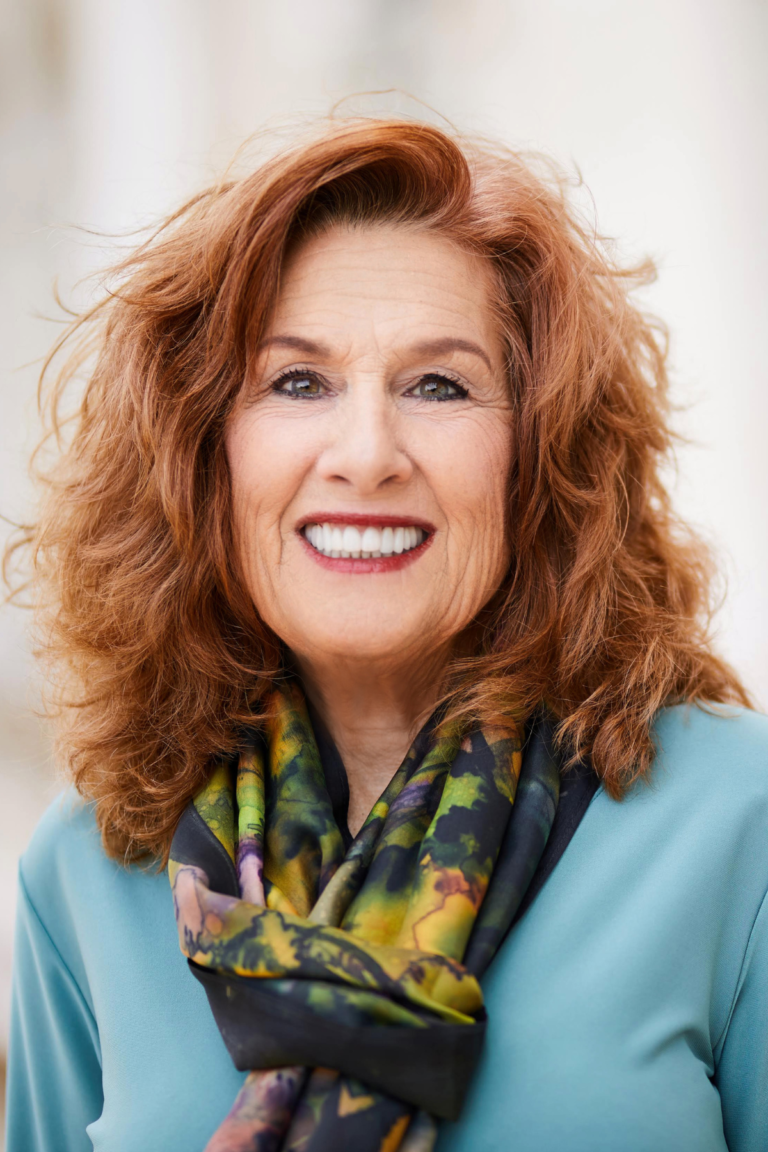
About Shelly
Shelly Lefkoe is the co-founder of the Lefkoe Institute (TLI). She helps clients struggling with long-standing behavioral and emotional issues, including procrastination, fear, and relationship problems. Her approach frees them to live more joyful lives. She does this by identifying and eliminating their limiting beliefs in just a few hours.
Additionally, Shelly’s approach has been validated by independent research from the University of Arizona. This research was published in the journal Clinical Psychology and Psychotherapy. Thus, it highlights the effectiveness of her methods.
The Lefkoe Institute has helped over 30,000 individuals change their behavior and emotions. Shelly’s online programs have reached people worldwide. As a result, her expertise is accessible globally.
Shelly is a well-loved keynote speaker and workshop leader. Her engaging style and insights make her a sought-after presenter at conferences and events. There, she inspires audiences to take control of their lives by eliminating their limiting beliefs.
In addition, Shelly’s new book, “Hitting the Wall – Eliminate the Beliefs That Sabotage Your Business and Your Life,” is a #1 best-seller. It provides practical strategies for overcoming mental barriers. This further extends her impact.
Overall, through her work at the Lefkoe Institute and her contributions as an author and speaker, Shelly has profoundly impacted the field of personal development. She continues to empower individuals to transform their lives, eliminating limiting beliefs to help them achieve lasting happiness and success.