Writing and journaling with Camille Campins-Adams
Camille Campins-Adams shares her experience as an MLB spouse and a writing coach. She and Kandiee Campbell discuss their co-authored journal and the place of writing in their own lives.
Listen
Awaken Hope with Camille Campins-Adams
April 11, 2024 · 60:00
Read draft transcript
Automatic transcript with light edits to names and spacing. Some words may be wrong, and speakers are not labeled. Breaks and sponsor messages are included. Check the recording before quoting a passage.
0:00 Are you tired of feeling hopeless, or do you feel as though you carry around an invisible ball and chain? If so, you are in the right place. It's time now for Awaken Hope with Kandiee Campbell. Kandiee is a therapist and grief counselor that works with women to help them process and heal from emotional events that can keep them feeling stuck. Let's take this journey together. And now, here's your host, Kandiee Campbell. Hello, hello, hello. Welcome back to Awaken Hope. I am so super grateful. I happen to have a guest with me today. But before we get into the introduction of my wonderful guest, I'm going to do one housekeeping thing.
0:44 As many of you know, I'm coming to you from the beautiful state of Hawaii. That being said, you may not hear a jet flight over. I happen to be underling to the flight line to the Honolulu Airport. I'm also near a fire station, so you may or may not hear a siren go by. If you do hear any of the three, we will take a momentary pause. We are still here, however, we cannot compete with those sounds. Trust me, I've tried. It doesn't work. So, let me get into my wonderful guest. Today, I have Camille Campins-Adams, and she is the CEO of Way Media and Marketing.
1:29 Welcome Camille. She's also a book coach, so welcome to the show. I am so looking forward to hearing what you have to share with the audience. Well, thank you, Kandiee. I am so excited to be here. I know we have a lot in store for your audience, and I'm just really excited to dive in. Share away. Mike is yours. Well, we spent the last few weeks, I would say like the last month, working on a journal together, right, because I am so like Kandiee said, I'm a book coach. I help people write books, but I also help them create their author brand, their author platform, and market and launch their books.
2:17 I got into this because a couple years ago, five years ago now, actually, I graduated with a Master's in Creative Writing, and I just had this pull on my heart to write, to share my story. And I know that so many of the listeners here are probably feeling similarly, because whenever you've gone through some sort of lived experience, right, and you've gotten to the other end of it, you feel like you want to share that story. There's just something about having overcome it that hero's journey that heroines journey. And so that was partly what happened with me as I was going through this experience at married to a baseball player, and nothing super traumatic.
2:56 But if I tell you I actually have probably some trauma from my husband's travels and being a mom to little ones on my own, like it's a different type of trauma. But still, like my body has held on to that. Some experiences that have been very, very challenging for us. And so I just felt like I needed to share that story. And so I actually started blogging when I was traveling with him. This was actually pre-children. I would document my life as a baseball wife, and it actually got picked up by MLB blogs. And it was just a really cathartic experience, being able to commit to writing a blog post.
3:32 Something so simple, right? It's like, I'm just going to share something about our journey, something about our story once a week. It wasn't like I was having to write every single day, but I just felt like I needed to share the story. And people really, it resonated with a lot of them, and I got a lot of great feedback. My following was growing. I have since shut all that down, and I've like restarted in another life. But that was, I think, I just always felt like I needed to be writing and sharing that story. And that's when I led, that was kind of led down that path to getting a master's in creative writing.
4:08 That's when I worked on my memoir, which I'm still finishing five years later. I'm picking it back up and rewriting really what the story is, because it's from a different perspective now. But yeah, I just, I feel more than anything that writing is an incredible way, whether you're writing books or whether you're journaling or whatever it is that you're doing, writing is super therapeutic. It's extremely cathartic. And for anybody who is looking for more hope in their life, right, if you're really looking to find pockets of joy, writing is a great process to get there. So yeah. You're right. And I agree with you, writing is a great tool.
4:50 It also can help you get things out of your mind that are those thoughts, those feelings that are kind of or it's in your body, not just in your mind, but it's in your body. And if you don't, like I tell my clients, I'm like, if you write it, whether it be like free consciousness writing just right, it'll get out. And then you can look at it and go, oh, well, that's a thought I didn't realize I had or, you know, 95% of our thoughts are subconscious. So we go on automatic or autopilot, like, you know, we just we do things. And writing can be really, really helpful.
5:34 I look forward to this partnership. She has been an amazing partner, amazing support to doing this workbook for journaling. And if you know, journaling can be, again, it's therapeutic. It's a way to get your thoughts out, your feelings out. And then you can process them. As long as they're stuck in your body, and they're roaming around in your head, it's hard to make heads or tails of what those thoughts are and why you have them. Because sometimes once you get it out, you're like, oh, I didn't realize I had that and realize I was thinking that, you know. Yeah, absolutely. I would love to know more.
6:23 I mean, you have such a interesting history of being an MLB spouse and just the transition. How was the transition between when you shut off your blogs to where you are now? Oh, yeah, absolutely. I'll share that with you. So what happened was that my husband and I were newlyweds. We've actually been together since we were 14. And so we've been through the whole thing. He went to the University of Virginia to play baseball there. I ended up staying in Miami and went to the University of Miami. And actually, that was a really challenging time for me. And at the time, I really wasn't journaling.
7:04 I had done a little bit of writing here and there. And it's funny because I go back and I read some of the stuff that I wrote back then. And I'm like, man, I really wish I was more consistent with the writing because it's incredible the experiences that you're living through in that time that you almost probably subconsciously drown out or you push it to the subconscious backside of the brain and you tell yourself to forget about it. And so it's just really fascinating to be able to journal consistently and be able to go back and actually see how you've grown. Or sometimes you come full circle, which is really fascinating to me is how many times you come back full circle.
7:41 And you're like, oh my gosh, I'm in the exact same place I was 10 years ago. I'm just going through a cycle, right? Because it is a cycle of life. And so basically what happened was that David and I were together long distance and that was really challenging. He did end up getting drafted by the New York Yankees. And we got married a couple years into him being in the minor leagues. And at one point I decided to stop working to travel with him. And that's when I said, you know what, I've really been called to writing. I don't know why I've waited this long.
8:12 I'm just going to start a blog and I'm going to talk about our life as a base and my life as a baseball wife, but our life in baseball because he was in the minor leagues at the time. And people think that the baseball is all glamorous and it's, and that the life of professional athletes is really glamorous. And the fact of the matter is that it's one of the hardest things I've ever done in my life is be married to an athlete and be married to someone that's still in the sports world because it's so demanding on the family. There's a lot of long distance.
8:41 We don't see him like currently he's in the Dominican Republic because he works over there. Now. And so we have had to learn to survive as a family that's divided, unfortunately. And that's been a challenge for us. So writing it is actually like just being able to write through my feelings and my emotions and has been extremely helpful. So when he was in the minor leagues, I documented that experience so people could see kind of get a glimpse into what life was really like in the minors and how challenging and financially they don't pay well. It's crazy. There was like a huge lawsuit recently from, from a group of baseball players that are actually more recent athletes than David was that sued baseball because they didn't have living wages.
9:27 It was just terrible. So now that's all changing. People are getting paid better than they were when we were playing. But I mean, you're talking about living off of $500 a month, $1,200 a month. Like it was, it was bad. And luckily David was a, he was a prospect. So he signed a pretty nice signing bonus, but that's what we were living off of. A lot of these guys, they signed for peanuts and the lower, the lower levels of the drafts, you know, and they have to survive. And then what happens when the team cuts you and then you have to go into the real world.
9:59 And now you have no work experience. You have no, like real work, right? Real life work experience. Because playing a sport isn't exactly something that's transferable skills. When you have like nothing saved in it, you've been like living, having to work a side job on in the off season just to make do it's, it's a really challenging life. So when he decided to retire, we had two little kids at the time. And I actually really stopped writing after having the kids. That was where I struggled the most was with writing, finding time to write, but also sharing our story. I, I'm big on vulnerability and really opening up your lived experiences to people.
10:41 And that's actually really easy for me to do when I'm struggling, believe it or not, when I'm going through a hard time, I can tell you, okay, this is what I'm going through. It's been really challenging. But David did ultimately make his, his major league debut and he played in the big leagues. And when we started to see more success, I was like, how can I write about the success? I mean, I can write about him struggling. I can write about, oh my gosh, there were posts that I did about like him being in slumps, like all this stuff. Right? Like he's over, I don't know how much like he can't get a hit.
11:13 But then when he was in the big leagues, it was really hard for me to talk about our successes. And so that was part of the reason why I stopped writing, but then also managing the kids and just being able to find time to write with little ones at home was really hard. And that's when I got my masters, right? Because then I was like, well, I can't find time to write for my blog. So I'm just going to get a master's degree, invest all this money and give myself an excuse to write. And I don't, I don't think that that's the answer for any of the things like you don't have to go spend 30, $40,000 on a master's degree to give yourself time to write.
11:48 Just find small pockets of time. Even if it's 15 minutes, it's like those tiny habits, right? Those tiny little pieces of time you can literally like in the car when you're at car line waiting for your kids, like take out your notes on your phone and just write something like what are you feeling today? What kind of day were you having? What was challenging? How can you process that in a short little piece of time? You don't have to write this entire massive work of art, right? It just be something that's a few sentences. So that would be a really good place to start. Oh, yeah.
12:24 And that leads us to a small break. Stay tuned, ladies and gentlemen, we will be back and we will continue this conversation, which is truly enlightening. And I truly, it resonates so much with me and makes my heart sing. We'll be back. Well, hey there. My name is Michelle Sorrow. I am co-founder of the podcast Accelerator and host of Fire and Soul, a top 1% podcast in self-development worldwide. And if Start a Podcast is on your bucket list but you haven't because it's overwhelming and downright intimidating, I've got a special gift for you. I'm offering up a free bootcamp called The Answer to Podcast Procrastination along with my co-founder, Ms. Ginny.
13:08 We're going to help you make the four foundational decisions to jumpstart your podcast idea, including the name of your show, description, format, and year list so that you know exactly what you need to record on a budget that works for you. You're going to walk away with podcast clarity, know exactly how to magnetize your audience and dream guests and be ready to step into the sound like with confidence and ease. If this intrigues you, then come on over and sign up and join us at thepodcastaccelerator.com/bootcamp. See you there. Welcome back to Awaken Hope. Oh, ladies and gentlemen, we were talking over the break about when Camille was talking about her minor league, you know, the experience of her husband being in the minor leagues.
13:51 It brought up a thought about my experience being a military spouse. I've been a military spouse for 30 plus years and when she was talking about living on, you know, meager wages, I remember living in Germany. Now this was 30 some years ago, but living in Germany thinking, oh my gosh, you know, we got less than $1,000 a month. Granted, the, you know, cost of living was different 30 some years ago, but it still wasn't a lot of money, especially when you had a spouse and it didn't go very far. But we made, we made things work. You know, I worked and my then husband at the time was working and we made a, we worked things out.
14:38 How I don't know. But I was sitting there thinking, reflecting was like, if I had journaled back then my experiences and looked at it now, where the difference, you know, where would I, I mean, yes, I'm in a very different position now than I was 30 some years ago. But thinking back about that time, it was daunting at times, you know, it's like, and then on top of it, I got pregnant. You know, the thought of, oh my gosh, how am I going to, how are we going to work this out? I mean, granted, my then husband became an officer and we were making more money and I remember I had a commander's wife at the time and this is, this is how interesting it was.
15:29 I was talking one time and she was grousing that she didn't think living on $1,300 every two weeks was enough and I was sitting there thinking, wow, I could do on $1,300. I mean, we were making less than $1,000 for a month, let alone, you know, $2,600 a month or so. I'm like, what I could do? And I was like, oh, and she was not happy with the fact that her husband was only making that much money. And so I would think to myself, I could do so much more with that amount of money. But I have since surpassed that amount of money and I'm like, okay, I can see where you get that thought process because you just, you transitioned from one, one thought into another and before you know it, you get a, you get used to a certain income or a certain level and then that does not seem like it's enough.
16:22 But even when you were talking about being able to journal, I think it's so important. And these days even, we all have phones, we all have something, even if you can't write, you can record it. There are, there are things like, what is it, different recording systems that you can plug into your... Waste notes. Yeah. And make a voice note and then go back when you have time and, you know, you talk about having small kids. It is challenging. We're not, I mean, I've been there done that. My kids are now grown and now I'm going to have grandkids. But it's very different when you've got kids around and they're running around like their hair is on fire and you feel like your hair is on fire going, oh my gosh, how am I going to...
17:11 I don't have time to write, let alone think, you know. And you can take a note, you can do a voice memo and leave yourself a message to say, okay, at this day I was feeling XYZ. And then when you have time, maybe after the kids are gone to bed, maybe you're getting a little downtime, go back and add some more to those notes. You don't have to necessarily write them, but at least take a moment to reflect on them and think, where am I at from here? It will make, I believe it will make things smoother. Yeah. How many times have you heard the expression, right?
17:54 Like, all right, I don't know if it's an, it's not really an expression, but people tell you to do this all the time. If you have a heated exchange or you're like high on emotions, don't go and confront the person immediately. Write a letter, let it sit, and then you probably burn it and forget about it. And it's just that process of being able to put it to paper and understand there's a, there's a, Luis may, I'm trying to remember the name of the lady who says this, but a couple, a couple of famous authors have said something similar, which is, I don't know what I feel or I don't know what I think until I write it.
18:27 And a lot of times it's like you have so many thoughts, so many feelings swirling around in your head, in your body. And remember, there's this incredible book that's been around that says the body keeps score, right? Like the body is keeping score of the trauma. The body is maintaining, it's like holding onto all of these feelings, all of these emotions. You can't really process what it is until you write it down and then go back and reflect on it because, and it is stream of consciousness, like you said earlier, it's not like you even have to be like, okay, what am I going to be so serious and thoughtful of like, no, just start stream of consciousness, writing it down.
19:00 You'll be surprised. I don't know how many times I've gone back to write, to read something and said, I wrote this. When did I write this? Who wrote this? I don't even know who this person was that wrote this. That's what happens when you just allow yourself to open up. And one journaling practice that I love is like this idea of like putting your hand on your heart and just saying, you know, what is my soul yearn for today? Like what do I yearn for right now? And just allowing that to then flow and give yourself the chance to take like a couple deep breaths, center yourself, because we are in a world that is full of just information overload, our mental capacity, like it's that mental load is just immense.
19:43 There are so many distractions. We are just bombarded with stimulation, right? We talk about little kids being overstimulated, but do we talk about how overstimulating life is for adults today? Like it's not even a thing we bring up, but we are all extremely overstimulated. We are not created to imbibe and take in and constantly be absorbing the amount of information that we are. It's just, it's, we're at a level information. The dissemination of information is getting, it's like growing exponentially, but our minds are not evolving to, to keep up with that. And so it's actually harming us. And that's probably why I think for the first time ever, our generation of children's life expectancy is actually less than my, like I'm 36 going on 37 this year.
20:34 My kids' life expectancy is I think in the seventies now, like it's the first time that I'm probably, my generation is supposed to live longer than my children's generation. And why? Because they're born with devices in their hands. They're born with so much stimulation that they don't have the opportunity to sit down and do the things like journaling, which is self-care, right? And it is so important to take care of ourselves. It's just like working out. How many times do we tell ourselves, I need to work out and then you just don't do it. But if you just start, right? Like just start, like start working off for five minutes.
21:08 If you can get through five minutes, you'll get through another five minutes and then another five minutes and you will never regret that workout. It's the same thing with writing, just start and it'll just, it'll, it'll just take off from there. I mean, I even like, you know, I mean, you're like, we're talking about exercise, I mean, exercise, if you have an animal, go for a walk, get out in nature. Even if you don't have an animal or you have kids or you don't have kids, go out and just walk around the block, be in the sun, be in the, you know, feel the ray, the sun, even the clouds and just be, that's one of those things I've really been, I've been hearing a lot of is I just need to be and not so much focus on doing because you're right.
21:53 We are overstimulated and in ways that our brains literally cannot shut down. We go to bed for many of us, I've been changing my routine to go to the point where I turn off my phone an hour before I go to bed and I just, I meditate, I do some, whatever it is that needs to calm my mind down before I go to bed because I don't want the last thing I encounter before I go into dream state to be my phone and all the technology that is stem, you know, stemming from that or getting agitated because, you know, how many times is I don't know, I can't speak for you, but I know for me, I've gone on and I, you know, you get that email or someone's got this fire burning and I've made the silly mistake of opening an email and then being all agitated, all mad and then, and then my body's like, and I can't go to sleep, you know, and that's the last thing that goes into my brain before I go to bed.
22:55 That doesn't help me in sleeping, it just keeps me up and restless. Yeah, there's like a rule. I think this is like, so I'm working with a functional doctor right now and he keeps telling me no, no food after six 30 because my bedtime is nine 30. Yeah, so like you really should give yourself three hour break from your last meal to when you go to bed for optimal sleep and he talks a lot about sleep hygiene and so technology is another thing, right? Like you should be shutting off technology hours before you go to bed in an hour is fantastic if you can do that.
23:27 So a lot of times I'm still checking text, like last night I was still answering text messages right before I went to sleep, but even that light, that blue light affects your sleep and sleep is so important, important, so critical to healing and I mean, just to be having an optimal lifestyle and a lot of us are not prioritizing sleep. We don't have good sleep hygiene and frankly, I love the fact that you're saying that you were meditating right before bed because what a beautiful way to like journal and then meditate or meditate and journal. You can do it however you want, do a couple stretches, you know, like release some of the tension in your body, allow it to flow, do some of the journaling, even if it's 10 minutes, meditate for another 10 minutes and then you'll fall asleep.
24:12 I actually, I do love praying right before I go to sleep because that actually, it's amazing when I sit there and I just start like praying, I will fall asleep very easily because I'm just like sitting there having a conversation with God and it just puts me to sleep. It gives me this immense sense of peace and relaxation that really allows you to sleep much more easily. And you're right about the journaling. If you journal before you go to bed, all those thoughts, they're rambling through your head. Maybe they're problems, maybe they're issues, maybe they're things that you're borrowing from the future events that haven't occurred yet, that's creating anxiety in you.
24:50 If you write those down and you just get them out, doesn't mean you have to attend to them that night. You just put them out on paper and then the next day when you have some time, go back and look at it and maybe if it's an issue that you've got a problem coming up, you can resolve it if you get it out of your head and you can look at it and go, "Oh." And the solutions will come. We get so bombarded in our brain that we fill it up so much that we block the solutions from showing up. But I really do encourage that and I agree with you, journaling at night before you go to bed, meditating, praying, whatever it is, calm your mind, get your mind out of that light, fight, or freeze state because when we're stressed, we're in that state and our sympathetic system is running on high alert, which means for those that don't know, when you're in the fight, fight, or freeze, your system's activated.
25:54 Your brain's sending messages to your body that says, "There's danger." It's a thought. It's many thoughts. It could be anything you're thinking that's activating your system and if we stay in that state for so long that we do not know how to come out of that relaxed state. And it's actually been, I've read studies, it's really detrimental to our health. Because like you said, sleep is important, we need that sleep time to kind of regenerate. Our body uses that sleep time to heal itself. It knows how to do it. I've been following some Dio's and stuff and they do talk about how sleep is so essential.
26:45 And I used to follow that belief, "Oh, I can survive on three or four hours of sleep." That's so not true. I go to bed, like last night I think I went to bed at eight. I was asleep by eight. I'm like, granted, I got up at four this morning, but I'm getting the sleep. I'm giving myself that time to recoup because I make a choice and it is a choice, but I'm choosing to focus on my health, focus on improving things because I want to be around for my grandkids. I don't want to be sick or not being able to engage with my family.
27:35 So journaling and sleep, they go kind of hand in hand even though most people wouldn't think about that. No, it's so true. Some people will wake up and journal first thing in the morning or you can journal right before bed. You can do both. I actually suggest you do both. What are the first thoughts before you go to bed and what are the first thoughts when you wake up in the morning? And then also, how many of us dream? I actually went for years without dreaming and I've been having more vivid dreams lately. Sometimes your dreams are trying to tell you something. So waking up really quickly and writing out whatever your dreams were could be really enlightening too to go back and look.
28:11 Either you can research what those dreams might mean or you can go back later and be like, "Oh, now I know why I had that dream." Maybe like, who knows? A year from now, something might happen that'd be like, "Oh, that's why I had that dream." You just never know. So writing is just, to me, it's such an incredible self-care practice. It's a beautiful way to really understand and process feelings to also process the trauma. And we can talk about different levels of trauma, right? You have little trauma, big trauma, and I've never had big traumas in my life, but I've definitely had compounding little traumas, which most people would be like, "Well, that's no big deal."
28:52 Well, it's not, but it adds up, right? It's like compound interest. You could become a millionaire really quickly if you just start adding like a little bit of money every month for a couple of years, then you have a lot of money. That's how compound interest works, and that's what happens with compounded trauma. If you're not releasing it, it's just adding and adding and adding. And they say that stress is like the number one killer. It's the number one reason why people get sick and have diseases and get cancer, and it's the levels of stress that we're under, and we're under fight or flight much more now than we've ever been, like you were saying.
29:27 When fight or flight became like part of the mode of operation, right? When we were created, it was to flee from tigers for safety. It wasn't the thing that you were always under, right? It was only for small periods of time. Now we're literally in fight or flight like 24/7, even driving in traffic. I mean, that's enough to be in fight or flight for your commute if you're driving. I drive 30 minutes to get my kids in 30 minutes back, and I'm like, oh, and then when I'm going to soccer practice, I'm like, oh, that puts you in an accelerated state, and it's just everywhere.
30:03 And then you read social media, and people are fighting on social media. I do not watch the news, by the way, and I know that people are like, well, you shouldn't be so ignorant. You know what? I'm doing it for my health, because ultimately, if you watch the news, it's enough to make you more depressed. It's like there's been studies done that you are more depressed if you watch even 10 minutes of news a day. So I'm not telling you to don't be up to date with real life stuff, but be careful about how you're consuming that and how much you're consuming, because it really will strip your joy.
30:36 It will strip the hope that you have for the future, because you're constantly seeing the things that we weren't created to see 24/7. Back in the day, what did they have to do? Take a horse and a letter, and it would take like three months for the news to get, you know? Like we're hearing so much negative news 24/7, and it's just not healthy. No, I agree with you. I'm one too. I've cut back on, I had an aunt, have an aunt, who literally she would turn on the news. I'm not saying one station, but she would turn on the news. And it would literally be on all day long.
31:15 And I was like, I would walk in, and I'm like, she'd be watching something. And I would notice, at the end of the day, when we'd sit for dinner, she was like, agitated and irritated. And I'm like, good Lord, and then she changed. She started watching Hallmark instead of news all the time. And her demeanor changed. She wasn't so agitated. She wasn't so pissed off, so to speak, and she just took a very different tone. Not that she still doesn't deal with some stuff, but I did notice a big difference when she was consuming news 24/7 versus something else that was a little more lighthearted, a little less negative all the time.
32:07 All right, ladies and gentlemen, we're going to take a short break. We'll be right back, and we will continue with the story. Stay tuned. Brushwood Media Network. I think I'm ready for this. Heck, yeah. With E-Trade, you're ready for anything. Marriage, kids, college. Kids moving back in after college. Finally, we can eat. You know you make me wanna-- And then we looked around and said, wait a minute. This isn't even our stroller. You live with your parents, but you own a house in the metaverse. Cool. I don't get it. Here's to getting financially ready for anything, and here's to being single and ready to mingle.
32:43 Who's ready to cha-cha? Welcome back to Awaken Hope. Oh, ladies and gentlemen, I am so blessed to have Camille Campins-Adams here. And we are talking about, we've been talking about journaling, but we were also talking over the break about how, you know, too much media, too much news, too much whatever can affect you. And actually, I was reading an article, and I was listening to some, not podcasts, but they were stories on how the effects of too much technology and too much overload, being bombarded, being in stress to date, the fight, flight, or freeze, can have adverse effects on your body. I speak for myself, you know, I mean, Camille was talking about how she had, you know, trauma that was compounded, which is just as detrimental.
33:47 I had big trauma, she had little trauma, but it doesn't matter whether you have big trauma, little trauma. Trauma is trauma. It affects the body, and you are right. When you say the body keeps score, the body remembers everything. And if you don't take the time to heal that, to release that, whether it's the writing through, it's getting help, getting someone to hold your hand, hold space for you and work with you to say, you know what, you can release this. You can make peace with their past. Doesn't mean, you know, there are some steps you have to do, but journaling writing is definitely one step, because anybody that works with people that have trauma, and I work with my clients, I'm like, journal, write it out, get it, you know, that's the number one exercise that I encourage my clients to do is like, you need to write because you've got all this stuff that's in your mind and trapped in your body, and maybe it's for years, maybe it's for decades, maybe it's just months, it doesn't matter, it can be, you know, compounding, compounding stress from traffic, how like she said, you know, she drives 30 minutes, well, you know, I get out on the road and you watch people and you're like, oh my gosh, that's so frustrating and they're weaving in and out and they're being stupid and you just kind of go, okay, that's stressing me out.
35:21 I mean, most people get agitated with stuff like that, well, that sends your body into fight, fight or freeze, and we stay in that state, the sympathetic system is activated that much, we have no downtime, no chance for our body to go into the parasympathetic, which is your calm state, once it's in that, then you can process, then you can get the downloads and the thoughts and the solutions that we need, but as long as we're activated and fleeing from something, and then usually it's just a thought, more often than not, like you said, our brains were created to help us, at one point in caveman days, it told us if you go outside the compounds, you're going to get eaten, well, okay, you can leave the confines of your house, you know, aren't necessarily going to get eaten, but you have to, you know, you have to be aware of the stressors that you are subjecting yourself to.
36:22 And the other thing I was thinking, but you have kids, you know, when you're super stressed, your kids, they feel that too. Oh, yeah. Oh, my gosh, when I was pregnant, my mom kept telling me that three of them. So she's like, you need to calm down because the baby feels your stress. And like, I've heard that from a lot of people. And I was like, Oh, my gosh, you know, and then I actually had panic attacks. So when David was in the big leagues, I is right before he got called up, I decided to make a trip to visit him, he was in AAA in Scranton, Pennsylvania.
37:00 And I had I almost threw up on the flight, I had terrible nausea, you know, all my pregnancy. But then I had to take a flight from Scranton to like, I think we were in one of the Carolinas. And I got a severe panic attack on the plane. And I was like, Oh, my gosh, I, I, you know, so badly that I was supposed to take, I was, I was supposed to drive, like, take a sorry, trying to remember, but there were like multiple flights that I was supposed to take that it would eventually bring me back to Miami because I was filming in Miami, so I couldn't be with him, I was filming a reality show, that was a whole nother thing, not not a proud time, but I was coaxed into that whole situation.
37:42 So but essentially what happened was I was so scared to get back on a plane that I drove from Atlanta to Miami, I rented a car and drove because I didn't want to fly and I did it pregnant, right. And when I talked to my doctor, they were like, just go ahead and get on, they gave me Xanax for the panic attacks. And they're like, take a Xanax before you fly, because believe it or not, the Xanax is safer than having so much anxiety for the baby and I was like, Oh, wow. And I'm like, I'm one of those that, you know, I've had to take Prozac in the past, like there was a while there where I was on Prozac for horrible panic attacks after my second was born.
38:22 And I finally just had to accept that I needed some help because my anxiety was through the roof, I was I felt like I was dying, I would end up in the hospital, it was bad. And so, you know, like, I'm not against medicine, but I do feel like there are other things that we could do to calm our nerves and make like now I'm actually not on medicine because I take magnesium, it's also dietary, are you exercise? There's so many things you could be doing that can calm the anxiety. But so many of us have anxiety and anxiety is so much more prevalent in women, but I actually know a lot of men that have it too, which is much more unusual.
39:00 And still, it's like, nobody spared from the pressures, the stressors and everything that's coming at us, like lying spears, right? Like, it's like they're coming at us from every single direction. So we have to do what we can control the things we can control, right? Because there's so much that we just can't control. Yeah, if you control the things that you have controlling over, which primarily is yourself taking responsibility for what you can do, meaning your thoughts, your actions, how you respond to something, and what you think about it. Since they as they say, you know, Henry Ford says, if you think you can, or you think you can't, you're right.
39:44 So you're going to get what you think about. You know, that was, that's definitely something that pops into my brain a lot when my thoughts are going a certain direction. It's like, okay, we're not going there because that's not really what I want to bring about. But being on automatic and autopilot, we just go down that road. But if we can control ourselves by our response, and what we how we think about something or what we do, that can make a huge, tremendous difference in what comes about. But you know, you're right about kids, I even see it with my animals, my dog, like when I'm stressed, if I'm she will get all agitated, I mean, she gets just gets in my face and she's like, okay, okay, you know, what can I do?
40:35 What can I do? And she's nervous. And, you know, she'll go into her crate. I know when, like, when I'm having an agitated or something, she'll just go into a crate. And she that's her safe spot. But stress is so much of a it has so much of an impact, not only on you as a person, but everybody around you, it just radiates out. So if if you have small kids, or you're pregnant, or even if you don't, if you have animals around, or you're a spouse, a partner, a significant other, they can feel it. So if you're agitated, and you're not dealing with stuff, and you're feeling overwhelmed, it's going to radiate out because they're going to feel what you're feeling, even if you say not one word.
41:28 Yeah, and it's just so wonderful. I love animals, I actually rescued, I used to rescue animals for a long time before having children and they have a sick sense, like they really can tell when something's not right with you. I was talking to my father-in-law this week, they had to put their dog down and he had cancer and it was really bad. And he's like, when you know, when he got sick, he was changed because he gave me he's my my mother-in-law is a crier. She cried a lot. But so he told me the story of how like the dog used to go and lick her her tears when she would cry and he wasn't doing that anymore.
42:07 So they knew that there was just something wrong with him. But how sweet that the dog would like lick her tears and they can sense when you're, when you're sad or in distress. But absolutely, we have to be careful with our stress levels and do whatever we can to control them because we there's this blanketed stress, right? That happens, like, it's almost like society, so many people are stressed that then there's like this bubble that we're in and we get consumed by that stress bubble. And so we have to try to be the thing that pierces through that veil and, and helps find helps others with joy.
42:44 And that can be as simple as smiling. They actually say that even just smiling for a few seconds can change your mood. And if you smile, I think Mel Robbins is the one that says just like literally, here's a challenge, walk down the street and smile at someone and watch them not smile back like it is smiling. It's contagious, find ways to spark more joy in your life, because it can undo some of that stress that we're up against on a daily. And I do want to talk a little bit about, you know, the journal that we're working on this idea of like, journaling through, it's called Hope and Healing.
43:21 And I had actually founded Om Sanctuary, it's not something that I do anymore. But it was a membership for journaling and people, it's incredible how many people were into this membership, right? And just like wanting to journal, there's a lot of people that do journal regularly. But so we used to do these journaling workbooks. And we partnered on one and Kandiee went ahead, we had like the structure and Kandiee wrote this, all the prompts, you wrote the intros, I'm so excited for you to share a little bit about that too, with the audience, because this has been a really fun project that we've been working on.
43:56 And I just can't wait for everyone to check it out. Yeah, I, when we were talking about it, you know, figuring out some way to collaborate. We decided to do a journal, a journal workbook, and there's different prompts, I don't want to give away all the prompts, but different ways that you can express yourself healing prompts. There's affirmations in there, and there's a way to, you have like 30 days where you can just write things, put your thoughts out on paper, reflect back. And you know, do this, if you do it, they say 30 days, 21 at the minimum, but 30 days, if you do writing, you will begin to see a transformation within yourself.
44:48 Because you, again, you take all that stuff that's blocked inside of us, and you get it out on paper, and it clears your physical body to begin the healing process from whatever you are experiencing. And I really encourage it because it is healing. Everybody needs healing, everybody needs something to hold on to as a form of hope. And I, you know, yes, I say go out and purchase the workbook, you know, buy it, acquire it, share it, because you will be surprised. In fact, I was doing a healing with a friend today, and she was talking about how she was encouraging people to journal their journey of this healing process that we're going through.
45:41 And she said, start writing, she said, because I've known her from when we started, when she first started changing, she was, she's a medium, and now she just speaks out. When I first met her, she barely spoke, you know, it was like, what are your thoughts? And she was like, I don't have any thoughts. She would litter, I mean, she would, she was so closed off, and now she's like, do this, do that. I'm like, totally different person. But the point being digress, it was about the journaling of collecting on your journey, because we're all in a journey, and our healing journeys are truly unique.
46:26 If you can journal it, you will be surprised, you know, and it'll give you insight, it'll give you some insight to yourself, insight to solutions. Because oftentimes, when we're going up, we're hitting a wall, because we've got something that we're not, we're not finding the solution to. If you journal it, and you start, you know, release it, you'll get a solution that you need to do, that'll say, and you can go, aha, I see what, you know, but you didn't have it before you got it down on paper. Yeah, and I, I'm truly grateful to Camille to with partnering with this project, I look forward to it, it's going to be beautiful, and it will be transformative.
47:18 And it will help everybody, it doesn't matter. You can give it to kids, adults, just right, get it out, get your thoughts out, and begin that process, your journey to healing by writing. The workbook, it's actually a 90 day journal, so you have, it's split into three months, so you can, you can go in order, you can jump around, there's about, I think it's 21 prompts per month, and then the rest is free journaling space, because they're, like we talked about stream of consciousness is really important. So journaling, just like coming to the page, coming that day, maybe spending a few times in, you know, meditating or praying or breathing, whatever it is that you need to do to center yourself and then seeing, okay, what is it that you need to journal today?
48:10 Is it using a prompt to get through something? Is it free journaling, but it's a great place to start? And we're going to have a follow up one as well, we had talked about the other designs, so there'll be other ones coming out, but it's a great place to get you started, just because sometimes people ask, when I did the journaling collective, it was, it was big because people felt like they needed prompts, right? You can just free journal, but it's always really helpful if you're trying to go like process something specific to have prompt, it really, it really facilitates the journey. So it's, I'm really excited for this and we actually just uploaded it to Amazon today.
48:49 We're going to do some, some trial runs on the print, make sure it's all good and well and it should be out very soon. Stay tuned, we will definitely let you know how this, you know, where you can acquire it and how you can acquire it. And I, I really encourage people get out, pick it up. Like I said, it's great for just releasing, getting thoughts out and it's wonderful, especially if you have kids or grandkids and they're, you know, they like to write, like you like creative writing, it gives them an outlet, it gives them a way to put their thoughts on paper so that, especially teenagers, I mean, I know when I was a teenager thinking, you know, I had a lot going through my mind.
49:40 So if I had known about journaling then, I probably would have done something so different. But now what a great idea for, for, for middle school years, you know, and it's middle school years are so hard. You're going through so many changes. Oh my goodness, right? Like puberty is wearing its head or already, well, we're going through puberty much younger these days here. So it's what, what a great time to start and then high schoolers in college, you're never too young to start writing. And I did start a diary when I was very young. I always felt that pull to go and write things down.
50:18 I just wasn't as consistent with it. So having a journal that gives you those prompts and coming to the page every single day helps you stay consistent. And to your point, when you're doing things long enough, you start to see the change in yourself and then other people start to see the change. And just like working out, it takes, you know, a couple weeks for you to feel the difference and then it takes a couple more weeks for other people to see the difference in you. And it's the same with journaling. It will show up, it'll show up in your physical, your physical demeanor, it'll show up in your body because you will have a more bounce in your step.
50:57 If you are lighter and you're not so bogged down with worries or stresses or thoughts that are consuming you and you can get it out on paper. And like she was talking about, there's prompts. Not everybody needs to use a prompt, but a prompt can give you something to think about and then you can create something else off of that. Maybe use the prompt, maybe you don't, totally up to you. But I know for me, sometimes just having the prompt will give me a start and then I start going into something else. It spirals into something else and before I know it, I've gotten even more out just by one small prompt.
51:38 So I am totally grateful to you and so thankful because I look forward to, and I will acquire one myself and write in it and I would pose a challenge. Here's my challenge to you as listeners. Do the challenge with me. When you can acquire this book, get one, we'll do it together and see the outcome. See what comes about in your life if you can stay consistent with doing it. You have to make a choice and again, this is where the decision comes in and the responsibility comes in. Make a choice to stay consistent as much as you can, not to say things aren't going to come up.
52:26 Life happens. We're not robots. But if life happens, you pull yourself back up and you go, okay, get back on track. You breathe through whatever's coming up and then you go, okay, tomorrow's another day, I'm going to get back on track and I'm going to keep on walking. Because those little steps are what's going to make a big giant leap. It's not about those big giant leaps. We've become conditioned to want to do the big giant leaps and everything is just so, but the truth is it's not about that. It is about itty bitty baby steps. Yeah, absolutely. It's taking those little steps that lead to big results and a lot of times we want to jump before we can, like, right, jump and run before we can even walk.
53:25 And that's, I think that's why people give up so quickly, right? Even with working out, you're like, oh, I've been working out for four weeks, I don't see a difference. Well, I mean, it's only been four weeks, but you have to keep going and I'd love to give the example of working out because working out and eating well is something that you can very easily see in a person, right? Because this internal transformation can be harder for people to see sometimes, even though you know, it's the way you're showing up, you know, how are you showing up with other people? Do you have more patience?
53:54 Are you happier, right? Just like you were talking about with your aunt who watches the news too much, but she she started watching Hallmark instead, people, you noticed a change in her. Well, journaling has the ability to do that as well. And it's just such a beautiful way. And for me, you know, as a book coach, I love how when people start sharing their experiences, even with themselves in their journaling, a lot of times they come to this realization that they want to share their story publicly, right? They actually want to write a book because what's happened is that I feel strongly that we've all lived our experiences for a reason, right?
54:35 Like, we have learned something in the process. We have gone through our hero's journey or heroine's journey, we are able to impart that knowledge onto the next person that might be going through a similar experience, right? Like the loss of a child, for example, or for me, you know, being a mom to three children where my husband's gone, that was that's been traumatic for me, not now as much as it was before. But when my daughter was little, you know, I was like dealing with a baby who I needed me while I had two little boys that were five and seven years old, that were essentially self parenting killing each other in the other room, because I had to take care of the baby that kept crying and wanting to go to sleep, you know, I was like torn between three people.
55:20 And I like even talking to my husband, the idea of him having to take this job and leave again, I was like, babe, I am literally so traumatized from that experience. Like, I can't imagine you going again, like, so every time he has to leave again, it's like I'm reliving the trauma of having to be that mom to three children while I'm one person. So processing that is incredible. But sharing my story, like, that's why I'm writing my memoir. My memoir is a lot about surrendering, and I haven't finished it, obviously, I'm in the process of writing it, but it's surrendering to things I can't control surrendering to God because ultimately, I'm trying to control my outcomes, I'm trying to control these things.
56:00 But sometimes what all control really tries to do to us is stress us out more. And then what happens if the thing we're trying to control can't be controlled? Or you know, we things happen differently than we anticipated, then what we get stressed, we get angry, we get upset, we all the all these immediate, like feelings and emotions start rising to the surface that are unhealthy. So being able to pull pull yourself back and trust, trust that God has your best interest at heart trusts yourself to and your ability to process what you're going through like there's there's so many things in this, but essentially, being able to take the trauma that you've experienced and share that with others so that they can also heal through what you've gone through and through your story.
56:51 And writing is very cathartic, you know, it's a cathartic process. And like you said, if you start writing, whether it's your story or journaling, or does not matter, it will begin to heal you. And I can say, when I started my healing journey, I mean, I, one of the things that I got encouraged to do is to write, you know, just sit there and write free, free flow, right. And I was like, free flow, right, what's that? You know, I mean, it just feels like, what's the point of that? And when I had explained, it's not about what you're writing, it's about getting it out, because it's so stuck inside of you.
57:35 And I had to go through and write, I wrote letters of forgiveness from my mother from the trauma that she created with in our relationship. I wrote letters of forgiveness to my father, you know, and even to myself. And I just would get the thoughts out, and I'd be like, oh, that's awful, I didn't know I had that, I was carrying it around, and it's like, okay. So I would take it, and I would burn it, you know, I didn't keep it around, I'd burn it and like send it to ethers, okay, God, universe, you take it, you deal with it, because I don't want that stuff in me.
58:16 And the more I began to write, and the more I began to get the stuff out, I would say softer I felt, soft meaning more relaxed, more peaceful. We know that nobody is immune to a storm. The storm, it's not a matter of if, it's just a matter of when the storm comes, how are you going to weather it? And if you have these coping mechanisms, and if you have these tools in place, like you call it the tools, then you can process it much more easily. And you can get through it, hopefully less scarred than you would have otherwise. And what a fantastic way to conclude our conversation.
59:05 She is so right. It's not a matter of if, it's a matter of when. Thank you, ladies and gentlemen. Thank you so much, Camille, I am truly grateful that you came and joined, you know, shared with the listeners. I hope you will truly come back and be a guest soon. I'd love to. Thank you so much. Take care, ladies and gentlemen, and we will talk with you soon. Hold on to hope. And remember, you only have one life, so take care of it. Thanks for listening to Awaken Hope with Kandiee Campbell. If you find yourself struggling, just know there is help. Please take the first step and contact Kandiee.
59:45 To learn more, go to [website address unclear]. If you like our show, please tell your friends and family to listen. Join us again next time for Awaken Hope with Kandiee Campbell.
Topics
- writing
- hope and healing
- personal growth
Listen to Camille and me discuss her experience as an MLB spouse and our new Co-Authored journal for Hope and healing.

About Camille
Camille Campins-Adams is a writing coach, book launch strategist, and speaker on a mission to empower women to embody their best selves through the transformative power of writing.
With years of experience in the writing industry, Camille understands the profound impact of sharing our stories with radical authenticity. She knows that writing goes beyond mere words on paper; it’s a conduit for personal growth, self-discovery, and forging genuine connections with others.
As a dedicated writing coach, Camille provides personalized support to aspiring writers, helping them navigate the creative process with confidence. She encourages her clients to embrace their vulnerability, empowering them to share their stories fearlessly and make a meaningful impact on readers.
As the CEO and Founder of WAY Media + Marketing, Camille knows the strategic steps to turn dreams into reality. She guides authors in successfully launching their books, amplifying their reach and message to touch the hearts of a wider audience.
A captivating motivational speaker, Camille’s talks inspire audiences with insights on courage, vulnerability, and the transformative power of words. Her engaging and transparent approach invites others to step into their power and create positive change in their lives and the lives of those around them.
Connect with Camille:
Check out my collaboration with Camille: The New Hope & Healing 90 Day Journal and the Understanding & Forgiveness 90 Day Journal
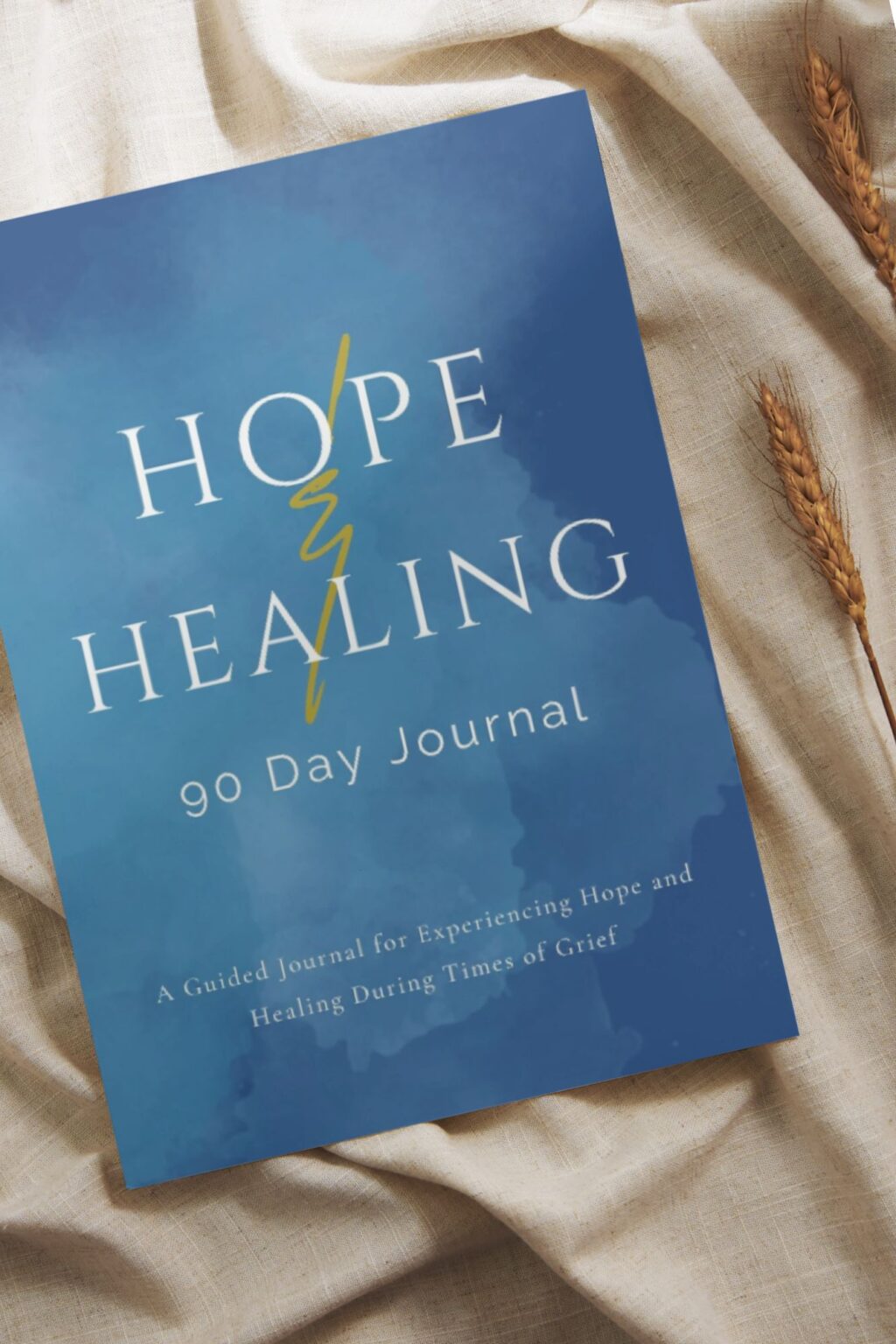
Hope & Healing: 90
Day Journal
Available Now on Amazon!
Embark on a transformative journey toward healing with our Hope & Healing 90-Day Journal. Crafted by a writing coach and an experienced therapist, this journal serves as a compassionate companion for those navigating the challenging terrain of grief. Featuring expert prompts and nurturing guidance, each page offers a sanctuary for reflection, exploration, and growth.
With a blend of structured exercises and free journaling pages, this journal empowers you to honor your unique healing process. Immersive and inspiring, the journal’s tranquil watercolor design creates a serene backdrop for your inner exploration. As you navigate through its pages, you’ll discover a wealth of wisdom distilled into poignant quotes, offering solace and perspective along the way.
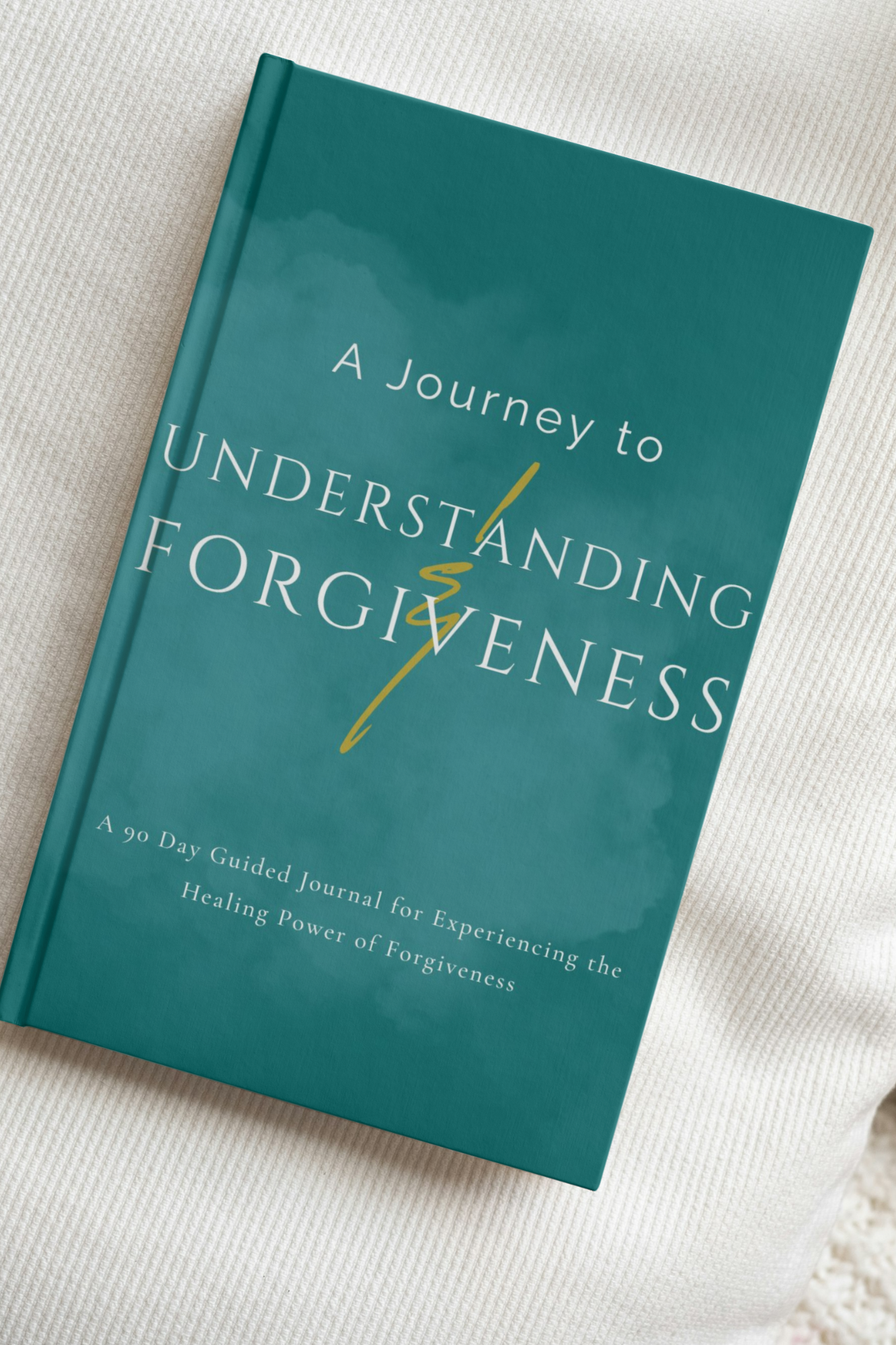
A Journey to Understanding & Forgiveness: 90 Day Journal
Now available on Amazon!
Continue your transformative journaling with “A Journey to Understanding & Forgiveness 90-Day Journal,” the perfect sequel to our “Hope & Healing 90-Day Journal.” Created by a seasoned writing coach and an experienced therapist, this journal is a compassionate companion for navigating the challenging path of forgiveness. Each page features expert prompts and nurturing guidance, offering a sanctuary for reflection, exploration, and growth.
Additionally, this journal blends structured exercises with free journaling pages, empowering you to honor your unique healing process. Also, its tranquil watercolor design provides a serene backdrop for your inner exploration. As you move through its pages, you’ll find a wealth of wisdom distilled into insightful quotes, offering solace and perspective. Finally, start your next chapter of healing and forgiveness today.
Join Camille's Mini-Course: You're a Writer, Start Writing!
Feeling hesitant to call yourself a writer? It’s time to embrace it! Start writing today and share your words with the world by joining Camille’s mini-course You’re a Writer, Start Writing!